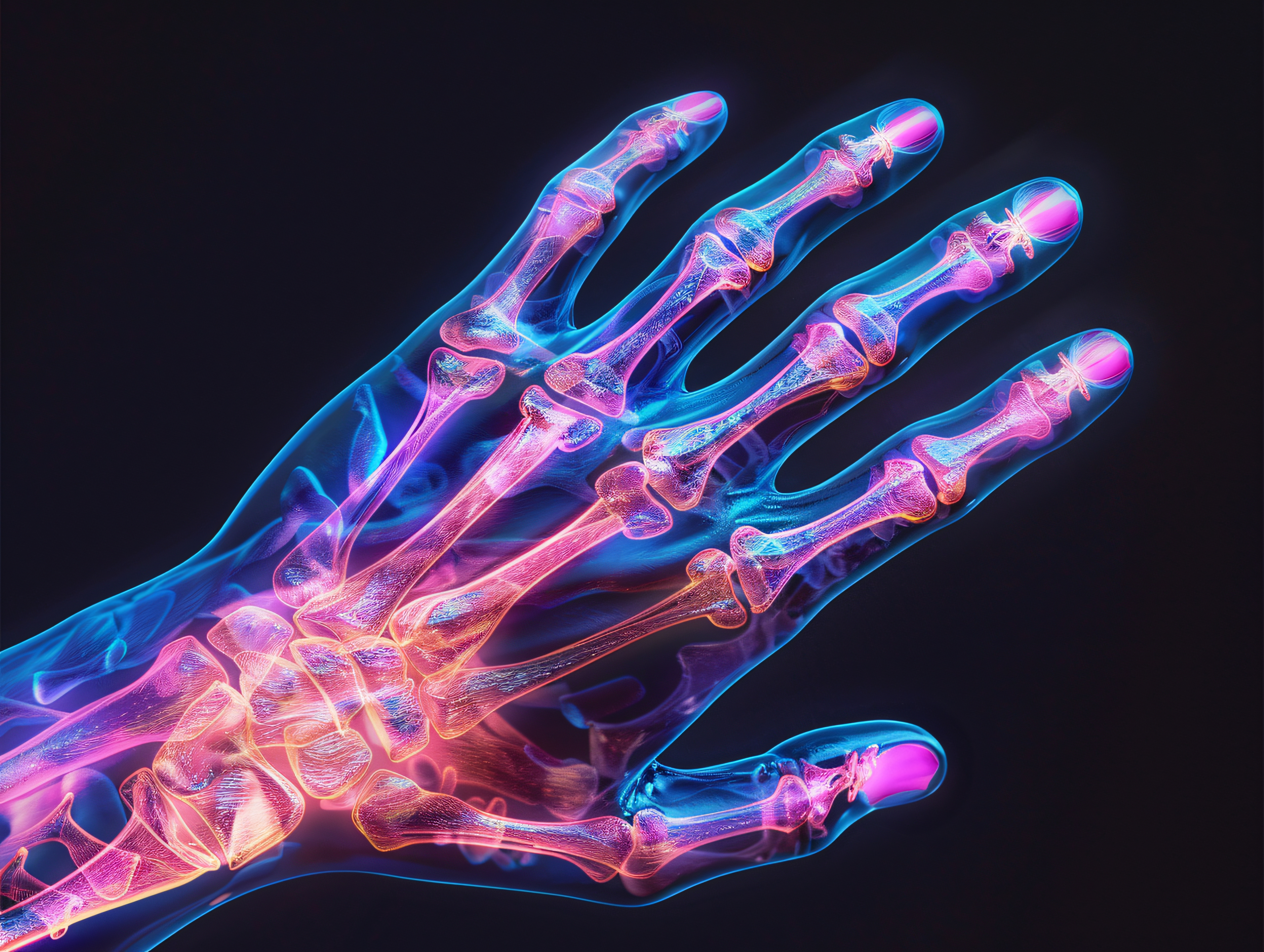
Nicotine and wound and bone healing: How does smoking impede tissue regeneration?
How does cigarette smoking affect health?
Cigarette smoking has a very negative impact on health, leading to a number of serious diseases and health problems. Among them are cardiovascular diseases, such as heart attack and stroke, which result from damage to blood vessels by the chemicals in tobacco smoke. Smoking is also a major cause of many types of cancer, including lung cancer, and is responsible for obstructive pulmonary disease (COPD), which includes chronic bronchitis and emphysema. In addition, nicotine can lead to fertility problems in men and women, increase the risk of miscarriages and premature births, and affect the health of newborns. Smoking also accelerates skin aging, causes yellowing of teeth and increases the risk of gum disease. It also has a negative impact on blood sugar levels, which can increase the risk of type 2 diabetes and make it more difficult to control the disease in people who already have it. It's also worth touching on the effect of cigarette smoking on the healing process, which we'll talk about later in the article.
Effect of nicotine on wound healing
The effect of cigarette smoking on wound healing is significant and definitely negative. Nicotine is the key ingredient in cigarette smoke, although in addition to it there is carbon monoxide, hydrogen cyanide, arsenic, ammonia, methyl alcohol, butane, toluene, acetone, cadmium, radioactive polonium, naphthalene and many other harmful substances, which together form a very toxic mixture.
Nicotine and wound healing - what is worth knowing? Substances in cigarette smoke have the ability to constrict blood vessels, which reduces the flow of oxygenated blood to the tissue undergoing healing. This reduced blood flow affects the amount of nutrients and oxygen delivered to the wound, which are crucial to the recovery process. Nicotine also affects the functioning of cells responsible for creating new tissue, further delaying the healing process. Moreover, it also weakens the body's immune response, destroying platelets and increasing the risk of clot formation. As a result, not only can the blood vessels around the wound become blocked, but also infections can occur. Thus, immune cells do not adequately protect the wound from bacteria, and as a result, tissue necrosis, peeling skin or wound infection can occur.
All of this means that smoking not only negatively affects the duration of wound healing, but can also lead to post-operative complications, such as wound bleeding, pain due to inflammation and greater visibility of scars. In addition, smokers have to stay in the hospital longer and are more likely to require repeat surgery.
Effects of nicotine on bones
The healing process after bone surgery is a complex, multi-step mechanism that requires the body to work harder. Unfortunately, the presence of nicotine can significantly interfere with this process. What is the effect of cigarette smoking on bone healing? Nicotine interferes with the natural process of bone healing in several ways, resulting in significantly poorer healing outcomes after orthopedic surgery and longer fracture healing times.
First, nicotine affects blood circulation, causing blood vessels to constrict and reducing blood flow to areas where bones are healing. This reduction in blood flow means that fewer nutrients and oxygen reach the site of damage, which is crucial to the process of creating new bone tissue. As a result, regeneration processes are slowed and the risk of bone healing complications, such as non-growth or infection, is greatly increased.
Second, in the context of nicotine and bone healing, cigarette smoking negatively affects cellular and hormonal metabolism, which affects the function and activity of osteoblasts and osteoclasts - cells responsible for bone formation and resorption, respectively. Nicotine can disrupt the balance between these two cell types, leading to weakened bone structure and reduced bone density.
In addition, cigarette smoking is associated with reduced production of collagen, the main component of the bone matrix, which further weakens newly formed bone tissue and makes it more susceptible to damage.
Summary
The smoking habit significantly impedes wound healing, mainly by affecting the blood supply and the functioning of key cells responsible for tissue regeneration. This is due not only to the presence of nicotine, but also to toxic substances such as carbon monoxide, hydrogen cyanide and others, which together form a harmful mixture that negatively affects health. Smoking also has a destructive effect on the bone healing process, disrupting the natural balance of metabolic and hormonal processes, resulting in delayed healing, poorer bone quality and an increased risk of postoperative complications.
Quitting smoking is one of the most important steps that can be taken to improve healing outcomes. Smoking cessation before scheduled surgery can significantly reduce the risk of complications and speed up the healing process. It is also important for overall health, as smoking cessation reduces the risk of many chronic diseases.
Want to learn more about how to prepare for orthopedic surgery? Get in touch with us! At Paley European Institute, we will guide you through the entire surgical process, from the initial consultation to post-operative rehabilitation. At Paley European Institute, we focus on comprehensive care to ensure you get the best possible treatment results and a speedy recovery.
See other entries

How to Properly Care for a Stump After Amputation? A Practical Guide
Hollow Foot – Symptoms, Causes, and Treatment Options