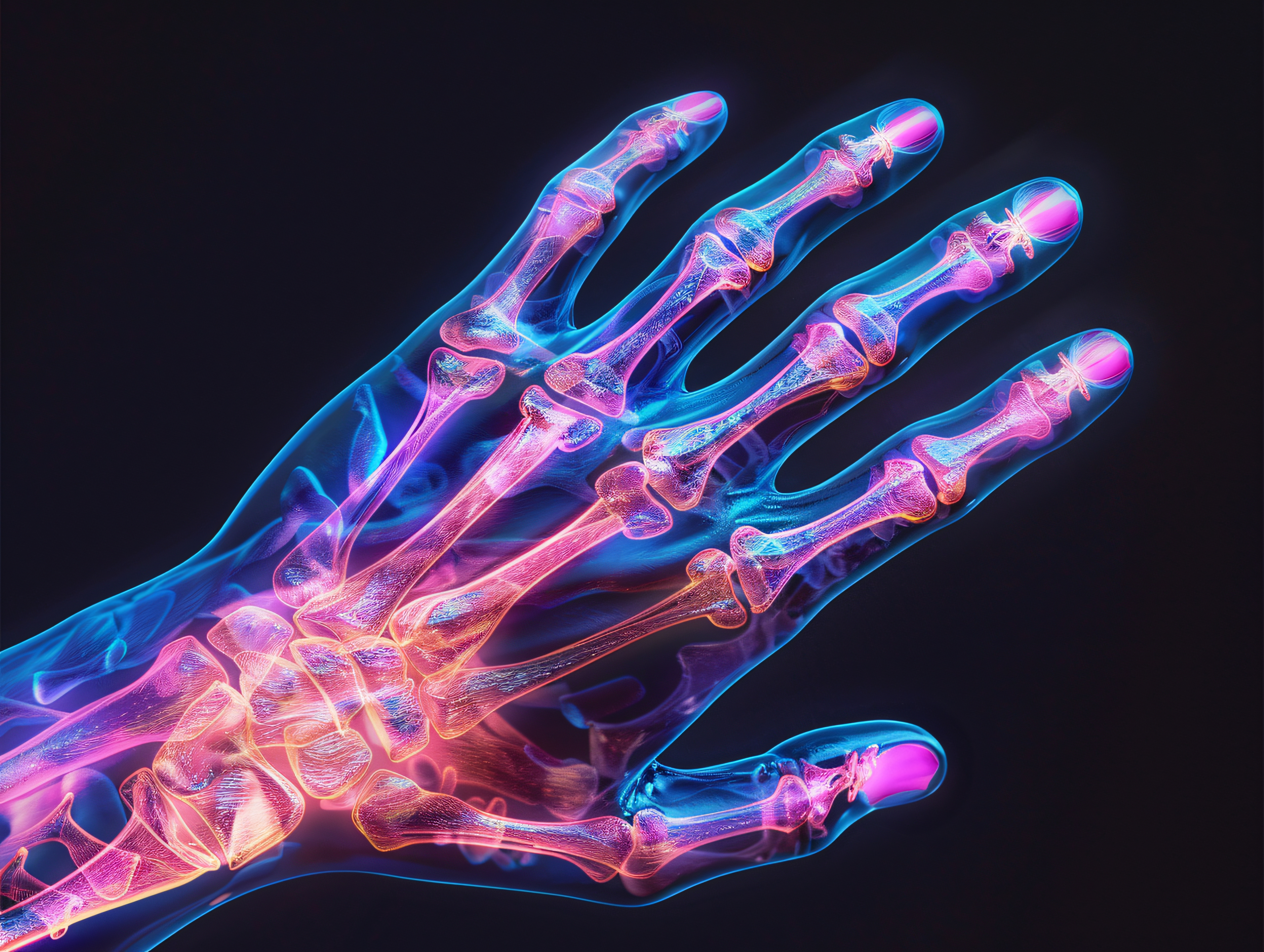
Untreated muscle tension in children – what are the possible consequences?
What are the consequences of untreated muscle tension in children? Muscle tension is a condition in which muscles remain excessively tense or contracted. In children, this can be caused by a variety of factors, and if not properly diagnosed and treated, it can lead to serious health problems, both physical and mental. Untreated muscle tension in children can affect their development, mobility, and quality of life. In this article, we will discuss the consequences of this condition and the importance of early detection and appropriate treatment.
From this article you will learn:
- Untreated muscle tension – causes and consequences
- Long-term effects of untreated muscle tension
- Untreated muscle tension and neurological disorders
- How muscle tension is treated at the Paley European Institute
- Comprehensive diagnostics
- Individual treatment plan
- Physical therapy and exercise therapy
- Surgical treatment in justified cases
- Long-term rehabilitation
- Summary. Untreated muscle tension in children – what are the possible consequences?
Untreated muscle tension – causes and consequences
Muscle tension in children can have a variety of causes. In many cases, it results from neurological disorders such as cerebral palsy (CP) or other muscle tone disorders. It can also be the result of psychomotor retardation or congenital orthopedic problems. Without proper therapy, untreated muscle tone can lead to significant difficulties in a child's daily functioning. Over time, this can affect their ability to perform basic activities such as walking, holding objects, or maintaining balance. In addition, chronic muscle tone often leads to posture deformities, pain, and reduced range of motion.
Long-term effects of untreated muscle tension
Neglecting treatment for muscle tension in children can lead to more serious health problems, such as:
- muscle contractures,
- permanent joint deformities,
- difficulties in learning to walk and maintaining correct posture.
Children with untreated muscle tone may have limited mobility, which in turn affects their social activity and cognitive development. Psychomotor retardation can make it difficult for children to form relationships with their peers and participate in educational activities, which can lead to low self-esteem and emotional problems.
Untreated muscle tension and neurological disorders
In children with muscle tone disorders, such as cerebral palsy, muscle tone can be one of the main symptoms of the disease. Untreated muscle tone in a child can lead to complications in the musculoskeletal and neurological systems. In such cases, early diagnosis and initiation of therapy are crucial to prevent further difficulties. Effective treatment, which includes pediatric orthopedics, physical therapy, surgical therapy, and rehabilitation, is extremely important in improving the quality of life for children with these types of disorders.
How muscle tension is treated at the Paley European Institute
At the Paley European Institute, the treatment of muscle tone disorders is based on a multidisciplinary, integrated approach tailored to the individual needs of each child, which is particularly important in cases where untreated muscle tone leads to impaired motor function, pain, or postural deformities.
Comprehensive diagnostics
The first stage of therapy at the Paley European Institute is multi-specialist diagnostics. Already at the initial consultation stage, orthopedic surgeons, pediatric neurologists, and physical therapists assess:
- degree of muscle tension,
- range of motion in the joints,
- presence of posture asymmetry,
- the effect of tension on motor functions,
- coordination and motor control.
This assessment includes a clinical examination and, if necessary, imaging and neurological tests. In many cases, we work with parents and caregivers to assess how untreatedmuscle tonehas affected the child's activity at home and at school.
Individual treatment plan
Based on the collected interview and test results, a team of specialists develops an individual treatment plan, which may include the following elements:
- physiotherapy aimed at reducing muscle tension,
- manual therapy and neurodevelopmental techniques,
- orthopedic supplies if there are contractures or joint deformities.
This plan is regularly reviewed, as changes in muscle tone in children are dynamic and depend on many developmental factors.
Physical therapy and exercise therapy
Physical therapy is the core of muscle tension treatment at the Paley European Institute. Therapeutic programs focus on:
- reducing pathological muscle tension,
- improved postural control,
- increase in range of motion,
- strengthening of antagonist muscles.
Therapies often include sensory integration techniques, NDT?B peripheral therapy, as well as functional exercises tailored to the child's age and abilities. All these activities are aimed at counteracting what is most often observed in untreated muscle tension – established compensatory patterns and movement restrictions.
Surgical treatment in justified cases
In cases where muscle tension leads to muscle contractures and osteoarticular deformities, the pediatric orthopedics team may suggest surgical treatment. These procedures are only used when the benefits outweigh the risks and are part of a long-term plan to improve function.
Surgery at the Paley European Institute is performed in accordance with the latest medical protocols, and after the procedure, the child undergoes intensive rehabilitation aimed at:
- maintaining improved ranges of motion,
- promoting symmetrical movement patterns,
- prevention of recurrence of pathological tension.
Long-term rehabilitation
After completing direct surgical treatment or as part of conservative therapy, the child remains under the care of the rehabilitation team. Rehabilitation includes:
- functional training,
- educating families and caregivers in home therapy,
- monitoring developmental progress.
This not only minimizes the effects of untreated muscle tension, but also supports the child's holistic development—motor, social, and emotional.
The treatment of muscle tension at the Paley European Institute also takes into account the psychological aspect, which is important when working with children whose long-term muscle tension affects their self-esteem, social adaptation, and overall comfort of life. Thanks to the support of psychologists and developmental disorder therapy specialists, it is easier for families to participate in the therapeutic process, and children achieve better therapeutic results.
Summary. Untreated muscle tension in children – what are the possible consequences?
Untreated muscle tension in children can lead to serious health consequences, both physical and mental. Neglecting therapy in this area can result in limited mobility, difficulties in learning to walk, posture deformities, and problems with motor and social development. Children with muscle tone disorders may experience difficulties in establishing relationships with their peers, leading to low self-esteem and emotional problems.
Early detection and comprehensive treatment, which includes physical therapy, manual therapy, and, if necessary, surgical treatment, is crucial to preventing the long-term effects of this condition. The Paley European Institute offers individually tailored treatment plans that also take into account psychological aspects, providing children not only with physical improvement but also support in their emotional and social development. Thanks to these methods, it is possible to significantly improve a child's quality of life, both in terms of physical health and social activity.
See other entries
How to Properly Care for a Stump After Amputation? A Practical Guide

Hollow Foot – Symptoms, Causes, and Treatment Options