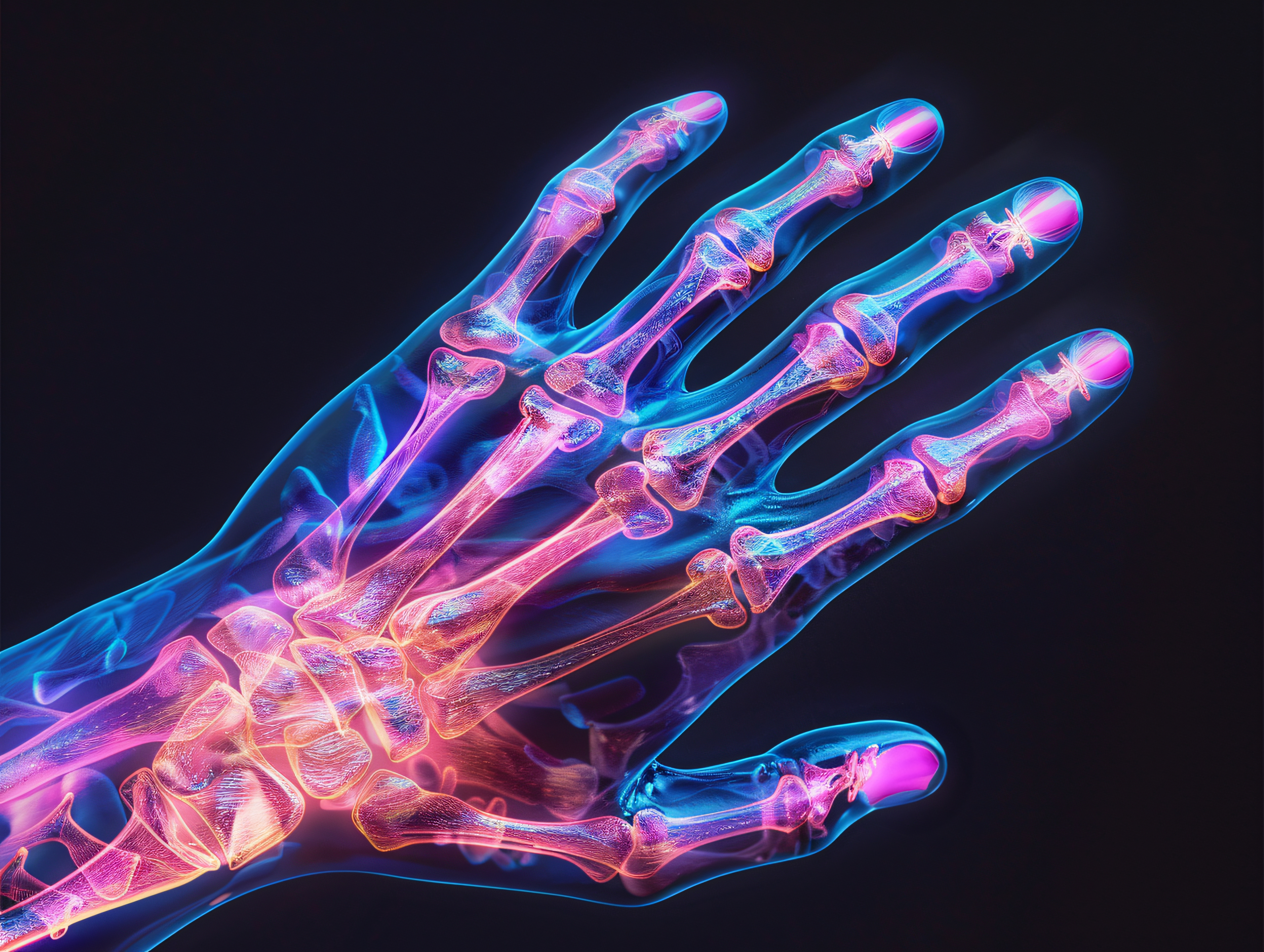
A comprehensive approach to improving mobility. How does osseointegration change life after amputation?
Mobility problems after limb amputation
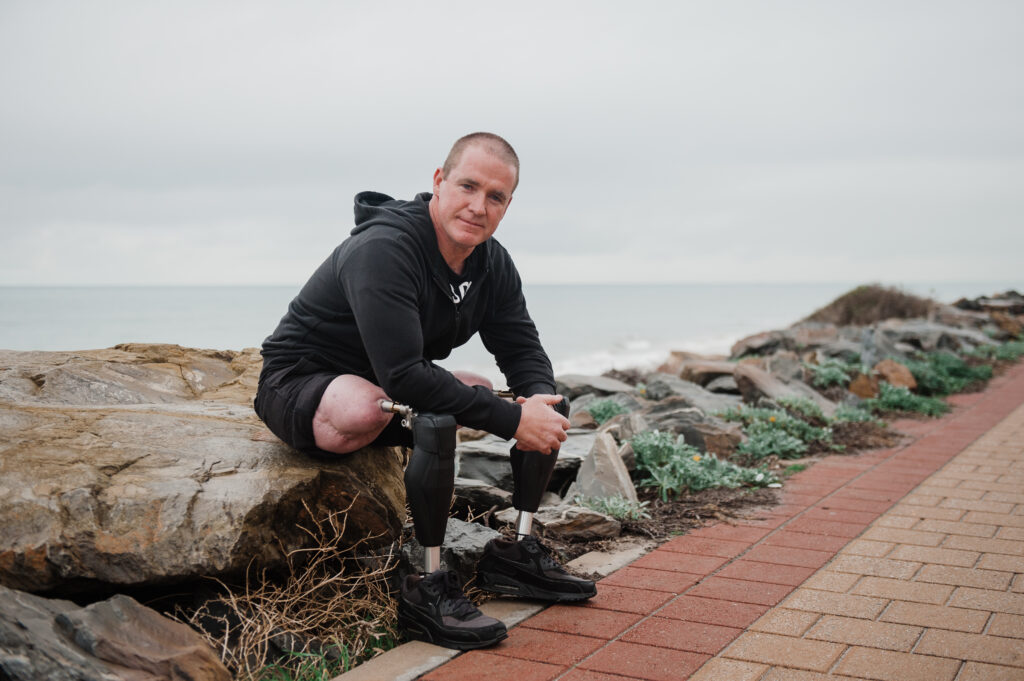
People who have had their limbs amputated, especially their lower limbs, have to re-learn how to move. In this context, it is not insignificant to have to wear traditional prostheses for long periods of time, which can cause discomfort and pressure on the remaining limb. All of this not only makes daily functioning more difficult, but also negatively affects mental health.
Fortunately, today, medicine is developing at an incredible pace, introducing technologies that would have seemed impossible just a few years ago. It is thanks to procedures such as osseointegration that it is becoming possible to significantly improve mobility and make life more comfortable for amputees.

Osseointegration - what does it consist of?
Osseointegration is a breakthrough in improving the mobility of people who have undergone limb amputation. Thanks to it, the patient's comfort can be significantly improved. What does osseointegration consist of? It is a process that allows integration of the implant into the Patient's bone, which in effect allows direct connection of the prosthesis to the bone, bypassing the funnel. Currently, osseointegration is carried out above and below the knee and in the upper extremities, among others. This technique differs from traditional prosthesis fixation methods, which involve the use of tightly fitting funnels that attach the prosthesis externally to the soft tissues of the stump. By attaching the implant directly to the bone, the patient not only gains greater freedom of movement, but also better control over the limb and stable attachment of the prosthesis without pressure points. Osseointegration also allows for quick, easy and, most importantly, safe connection of the stump to the prosthesis, which, unlike insertion of a funnel, takes only a few seconds.
While osseointegration represents a quantum leap in improving the quality of life for limb amputation patients, it is worth remembering that it is not entirely without its challenges.
Implanting a prosthetic limb via osseointegration requires surgery, which carries understandable risks. As with any surgical intervention, there is the possibility of complications. Although standards of care are very high, rare but potentially serious complications cannot be ruled out.
Risks associated with surgery include the possibility of anesthesia-related complications, such as multi-organ failure, and the risk of post-operative complications, such as fracture of the stump bone, damage to the implant or its components. Thrombosis, embolism, local infections or even systemic infections can occur after the procedure, although they are usually rare.
The possibility of the body reacting to anesthetics, antibiotics, sutures or dressing materials should also be considered. Although serious complications are infrequent, there is a risk of chronic stoma exudate, which requires proper care, and soft tissue infection around the implant. Nevertheless, after medical consultation, patients are usually able to manage these problems on their own.
Despite these potential challenges, osseointegration remains one of the most promising solutions for amputees, opening up new opportunities and improving their quality of life.
Osseointegration is not an option for every patient. Therefore, it is important to have a thorough consultation and health assessment by a qualified multi-specialist team before performing the procedure. Contraindications for osseointegration include, but are not limited to: active infection of the limb stump, pregnancy, mental instability or bone irradiation in the limb. The doctor may also pay special attention to patients with obesity, diabetes, peripheral vascular disease, smoking or old age, although these factors are not absolute contraindications to osseointegration.
Summary
Osseointegration is a technique that can really make a difference in the patient's mobility
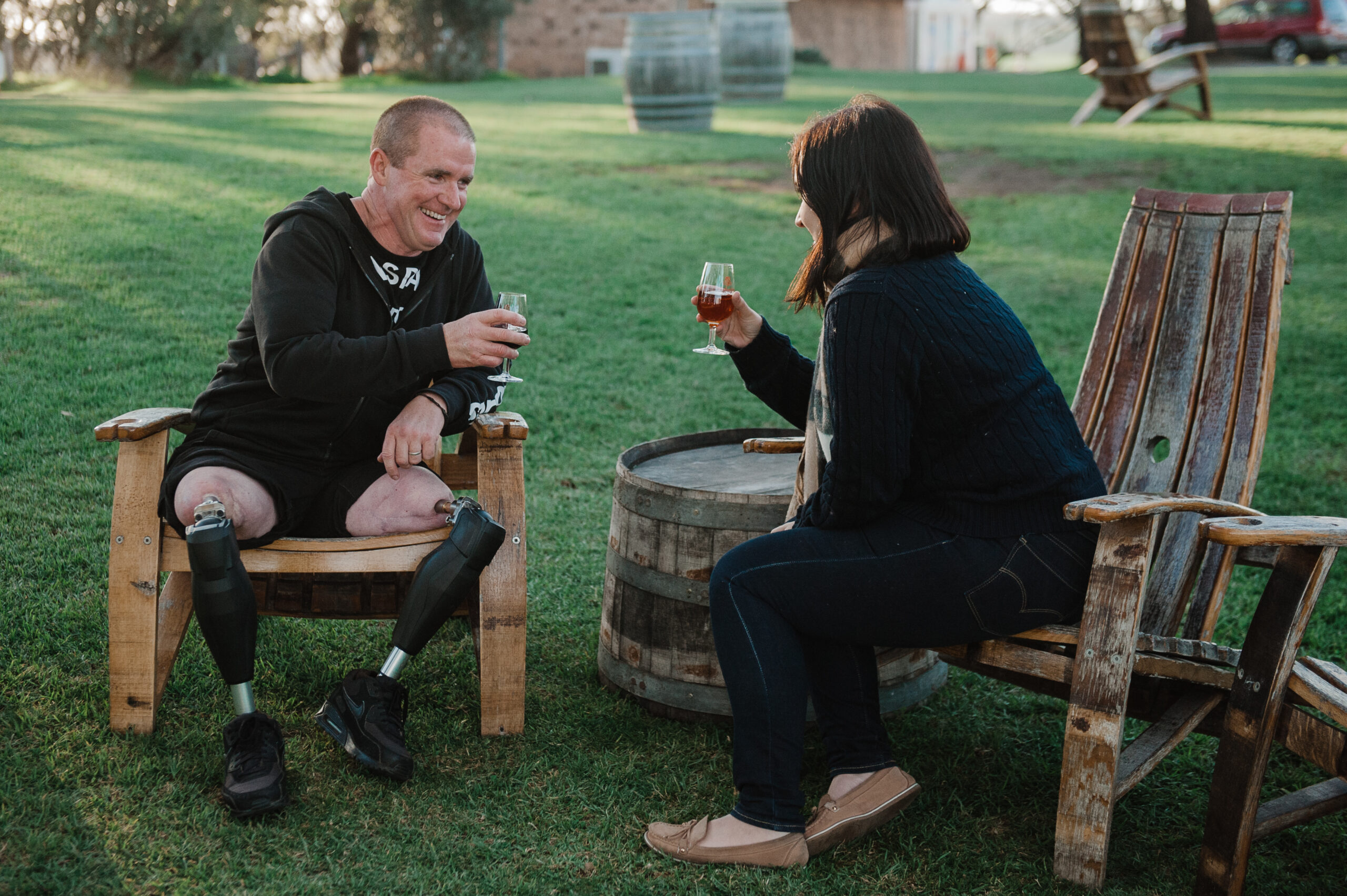
. It allows limb amputees to regain greater independence and freedom in their daily activities and self-confidence. This is not only a technological breakthrough, but also an emotional support for people who have experienced the trauma of losing a limb. Thanks to osseointegration, patients can experience greater stability in their prosthesis and eliminate the discomfort associated with traditional attachment methods. But always remember that the decision about the procedure should be made after careful consideration and consultation with experts.
Osseointegration is a step toward normalizing the lives of amputees, enabling them to participate more actively in social and professional life. This method opens up new possibilities for people who want to enjoy physical activity again, play sports or simply move with less difficulty. It offers hope for a return to life without the constant reminder of the loss of a limb, which can have a significant impact on rebuilding a positive self-image and well-being.
At Paley European Institute, we offer our patients not only osseointegration, but also other treatments. Would you like to learn more? Get in touch with us!
See other entries
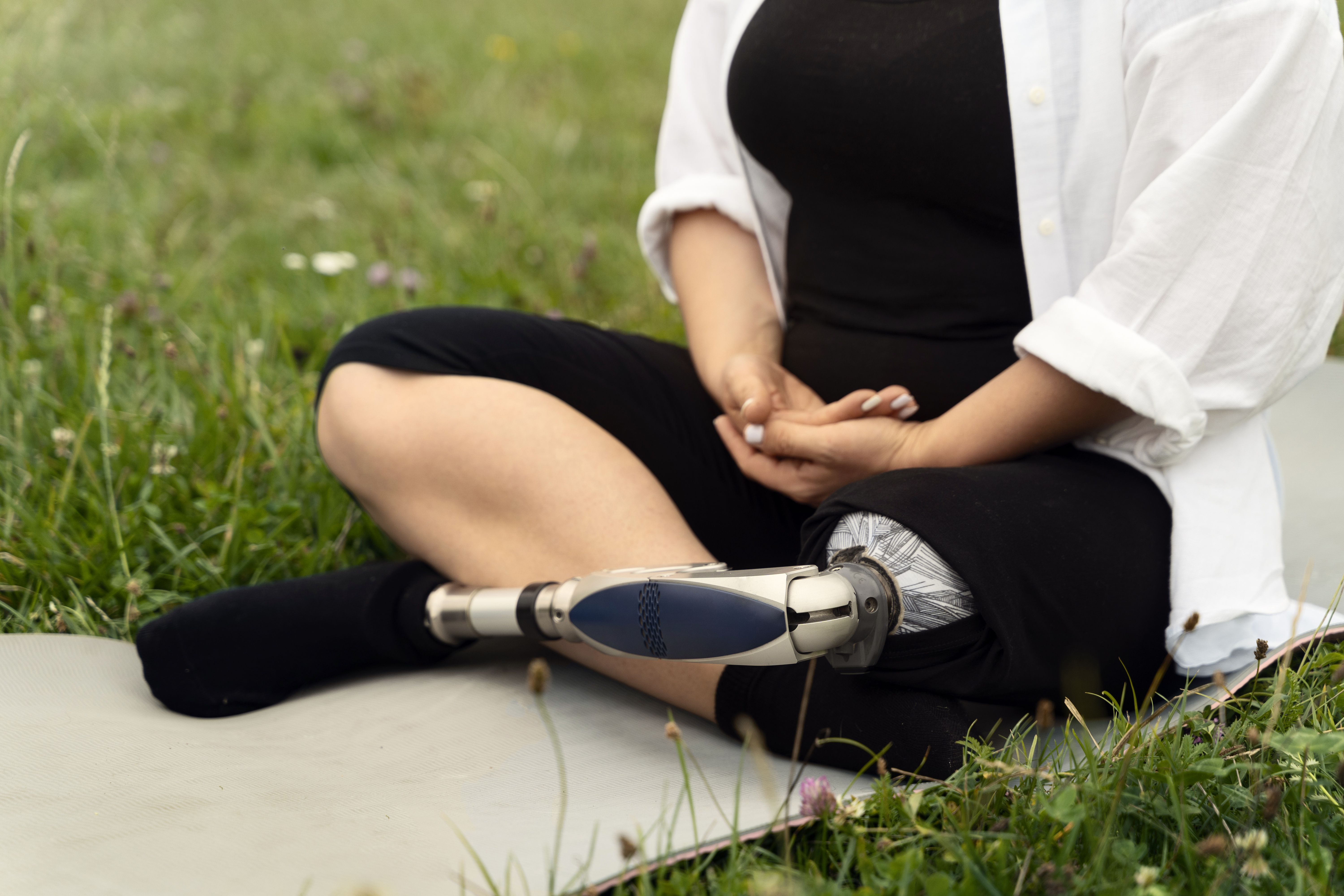
How to Properly Care for a Stump After Amputation? A Practical Guide
Hollow Foot – Symptoms, Causes, and Treatment Options