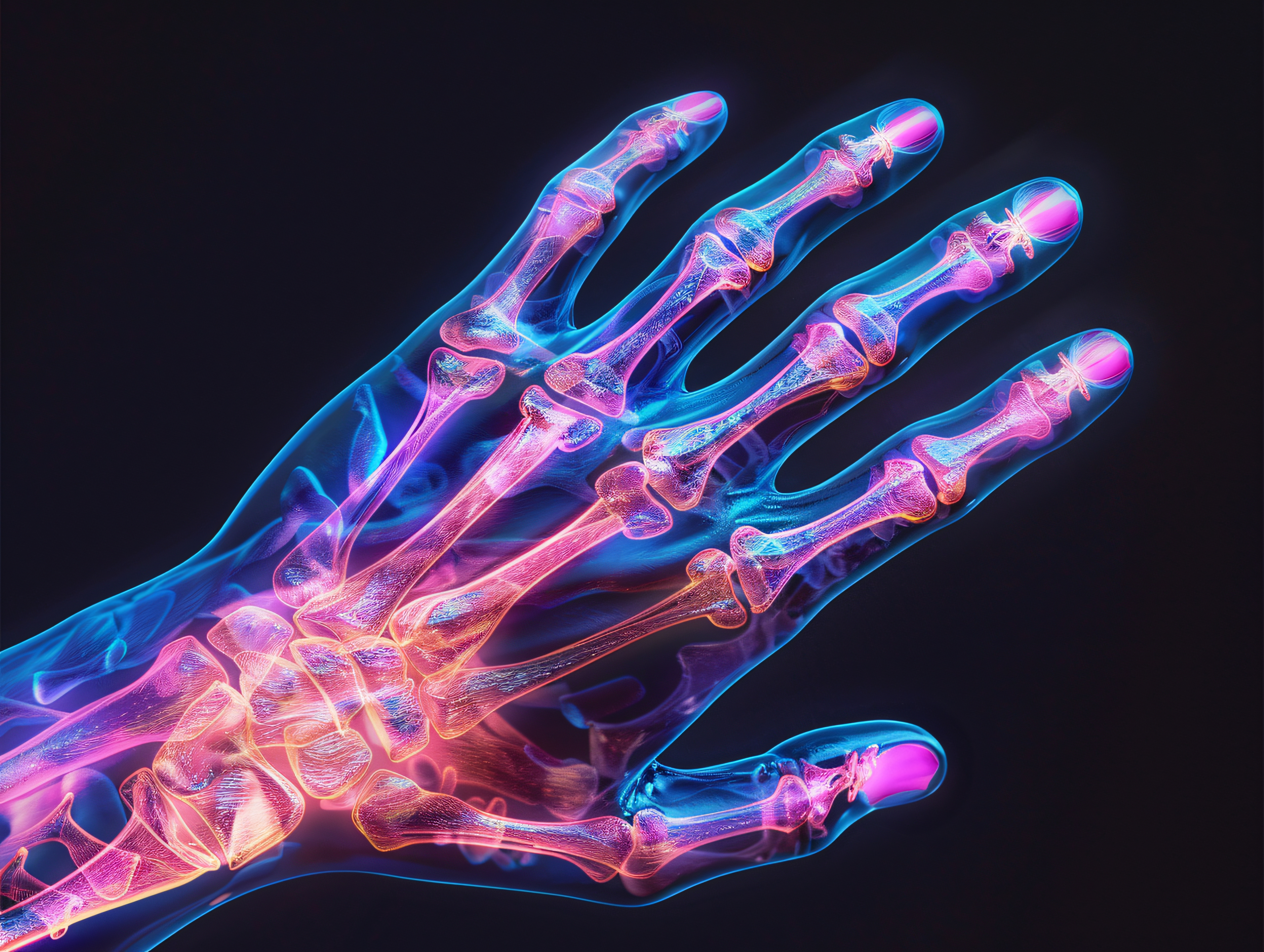
How to strengthen the hip adductor muscles: a practical guide
Hip adductor muscles - basic information
The hip joint is one of the most important joints in our body, allowing a range of movements, in fact, most activities require the use of this joint. It is a ball-and-socket joint that allows for a wide variety of activities. Movements at the hip joint include flexion (bringing the leg to the chest), extension (straightening the leg back), inversion (moving the leg away from the center of the body), adduction (drawing the leg toward the center of the body), and internal and external rotation. One of the most important muscle groups is the hip abductor muscles, which are responsible for the movement of abduction - separating the limb from the center of the body.
The abductors include the gluteus maximus muscle, the gluteus medius muscle, the gluteus medius muscle, the gluteus minor muscle, and the broad fascia straining muscle. Each of them plays a key role not only in the movement of leg inversion, but also in stabilizing the pelvis while walking, running, and standing. Thanks to their work, it is possible to maintain proper posture and prevent injuries, especially to the lower back and lower limb joints.
Problems with the hip joint, especially the adductor muscles, can cause a lot of discomfort and discomfort, affecting quality of life. Going up and down stairs, walking for long periods of time or even sitting can become a challenge. That's why it's so important to keep these muscles healthy and fit, especially in terms of preventing problems and alleviating existing ailments. Regular strengthening exercises, r
Exercises to increase range of motion in the hip joint
Increasing the range of motion in the hip joint is key to improving mobility and function throughout the body. This is especially important for people with cerebral palsy, where limitations in range of motion can significantly affect daily life and independence. That's why it's a good idea to do exercises at the gym that increase the range of motion in the hip joint. By improving the flexibility and strength of the hip joint's adductor muscles, you can contribute to better body control, which in turn can make it much easier to perform activities such as standing, walking and even moving from sitting to standing. For people with cerebral palsy, who often struggle with muscle tension and limited control over their movements, properly selected exercises can be a key part of therapy.
What exercises for the hip flexor muscles to perform? First of all, it is worth emphasizing that movements should not be performed in flexion of the hip joint. Much better would be exercises in hip extension. Thanks to them, the patient can, on the one hand, work on strengthening the adductors, more specifically, the gluteus medius muscles, and on the other hand, keep an eye on the abdominal tension.
These exercises should be performed under the supervision of a specialist, such as a physiotherapist, to ensure that they are done correctly and avoid potential errors and compensation.
Summary: The importance of exercise and prevention
By ensuring regular exercise and proper preventive movement, the health and function of the hip joint can be greatly enhanced, and problems associated with it can be effectively prevented. This is crucial for both healthy people and those struggling with various types of movement limitations, including cerebral palsy. The aforementioned exercises, which focus on increasing the range of motion and strengthening the muscles of the hip joint's extensors, are essential for improving overall fitness and independence in daily activities. With regular training, it is possible not only to improve the quality of life of people with MPD, but also to reduce the risk of overload and injury due to poor posture or limited mobility.
At Paley European Institute, our patients are offered not only pediatric orthopedic treatments, but also specialized assistance from physiotherapists. You are welcome!
See other entries
How to Properly Care for a Stump After Amputation? A Practical Guide
Hollow Foot – Symptoms, Causes, and Treatment Options