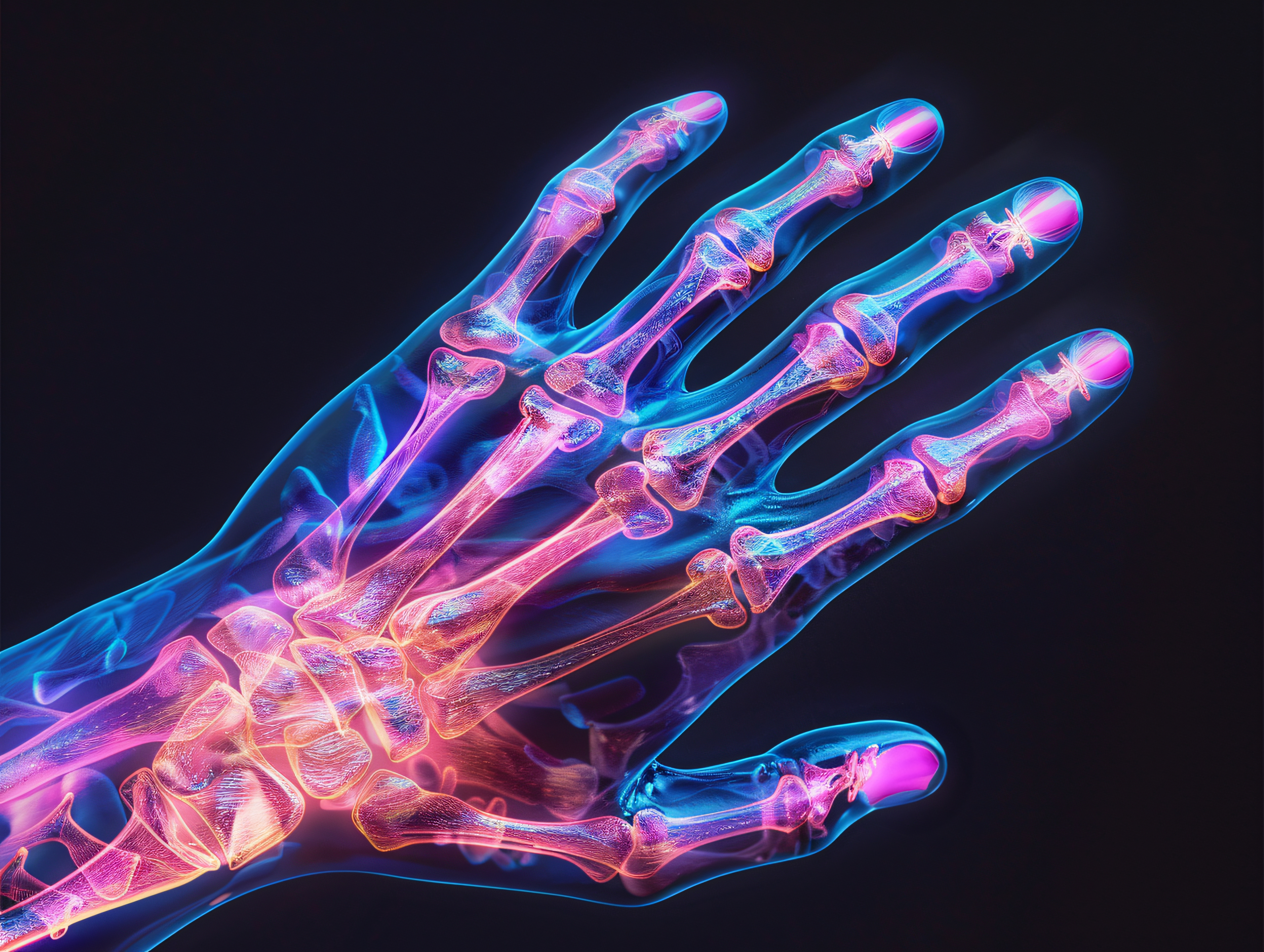
How to prepare a child for therapy after upper limb surgery?
Why is rehabilitation crucial?
Hand rehabilitation after surgery aims to help patients quickly return to a state of full function. In the case of children who are going through such a process, this is particularly important, since their bodies are undergoing intensive development. The use of appropriate rehabilitation methods and techniques can significantly speed up the healing process, while minimizing the risk of long-term complications or mobility problems in the future. In addition, effective rehabilitation improves the young patient's quality of life, allowing them to return to their favorite activities and daily play with their peers.
First days after hand surgery
The first days after surgery are primarily a time to rest and protect the limb. The operated hand requires special care to ensure that it has the right conditions for recovery and to prevent any complications. This is a period in which strict adherence to medical advice is absolutely crucial. Here are some steps to take immediately after surgery.
- Securing the limb - to avoid additional damage, the hand should be properly immobilized and secured, as recommended by the surgeon. The use of special plaster scales, orthoses, slings or stabilizing bands may be necessary in the first few days after surgery.
- Pain management - pain control is an important part of early recovery. Using pain medication prescribed by your doctor can help relieve discomfort and allow you to rest more peacefully.
- Swelling - reducing swelling speeds up healing. The use of elevation (i.e., elevation of the limb) and cold compresses in the first few days after surgery, as medically recommended, can provide relief and reduce swelling.
- Wound hygiene and care - proper care of the operated site is essential to prevent infection. Instructions for wound care, including cleaning and changing dressings, should be carefully followed.
- Follow-up visits - regular visits with the surgeon and a physiotherapist or occupational therapist are essential to monitor the progress of healing and adjust the post-surgery hand rehabilitation plan to meet the patient's current needs.
Rehabilitation after surgery - where to start?
In order for the recovery process to go smoothly, you can't immediately go into intensive care after surgery. Why? The key reason is that the body after surgery needs time to heal wounds and adapt to the changes that occurred during the operation. Sudden and intense exercise can lead to an increased risk of complications. Therefore, the first step in the rehabilitation process is to understand that each stage has its place and time, and the rehabilitation procedure should be gradually intensified according to the recommendations of the doctor and therapist.
So where to start? To begin with, gentle touch will work great. The moment the doctor has decided to introduce a thermoplastic orthosis we have free access to the hand. It is very important for the child to gradually become accustomed to the orthosis and get used to wearing it. The beginning of learning that the orthosis is regularly removed and put on to "look into the hand" can be an excellent starting point. This will help him understand why it is necessary to wear the supply and allow him to gradually accept changes in the appearance of the hand. In addition, this stage prepares the child sensorially for the next steps. It is a good idea to start a gentle hand massage by carefully pressing the hand against the arm, and then move on to stroking in a sliding motion in different directions. In subsequent stages, a variety of massagers can be used, applying pressure and stroking the operated hand. During the massage, be careful of the surgical wounds and take care of the child's comfort
How often to perform hand massage? It should take place at least once a day, but it is worth adjusting the frequency depending on the needs and reaction of the child. It is important to be regular and systematic in performing the massage to get the best results. Importantly, the child can perform it on his own to adjust the pressure to his ability.
Summary
Full recovery, therefore, is not only the procedures completed in pediatric orthopedics, but also all the activities performed after surgery. Rehabilitation after surgery is undoubtedly one of the most important stages in the process of recovery to full health. Thanks to it, it is possible to effectively restore the strength and full functionality of the hand. Therefore, as soon as the specialist allows it, it is worthwhile to perform hand massage. Want to learn more? Take advantage of the occupational therapy offered by the Paley European Institute!
See other entries
How to Properly Care for a Stump After Amputation? A Practical Guide
Hollow Foot – Symptoms, Causes, and Treatment Options