What does a children's sports medicine doctor do?
Find out when it is worth making an appointment and what the examination with a sports medicine doctor looks like. We invite you to read more!
What does a children's sports medicine doctor do?
is a field of medical expertise that focuses primarily on human physical activity. It is interdisciplinary in nature, so it can comprehensively assess the possible impact of sports on a patient' s health. What does a children's sports medicine doctor do? First and foremost, it focuses on the care of sports athletes, physically active people and patients who should start exercising. The purpose of the examination is to rule out contraindications to children's sports.
The sports medicine doctor is also responsible for:
- - Issuing qualifications for children to participate in sports,
- - Periodic physical fitness examinations,
- - Preventing injury and trauma during physical activity,
- - Monitoring the effects of the training methods used,
- - Treatment and rehabilitation of sports-related injuries,
- - Determining diets and exercise plans,
- - doping detection.
When is it a good idea to make an appointment with a children's sports medicine doctor?
A child's and teenager's body is constantly developing until the age of 18, so it is worth ensuring that this process takes place properly. Therefore, in many cases, a visit to a sports medicine doctor may be a necessity. When is it worth making an appointment for an examination? Especially when it is necessary to assess your child's ability to participate in a specific sport. So, if your kid is starting to participate in sports, is preparing for an important competition or you are worried that the exercises performed may harm his health, come in for professional help.
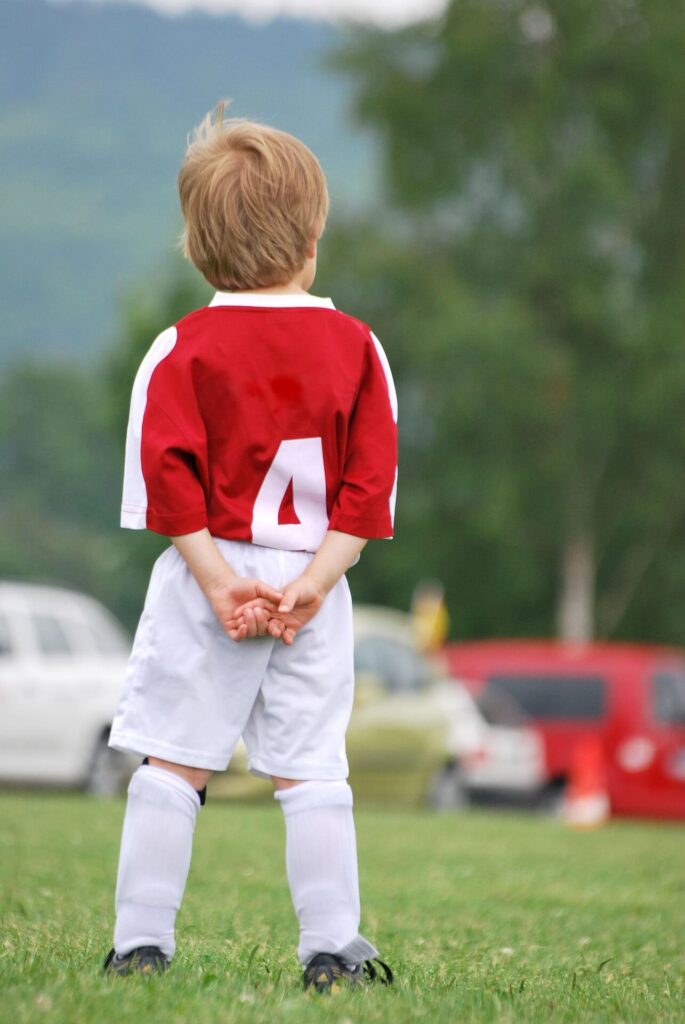
The sports doctor will not only rule out contraindications to children's sports, but will also assess the amount of training or diet used. This will ensure that your child will avoid damage to his or her health resulting from demanding exercises or too much intensity of sports activities. Regardless of the sport practiced, it is therefore worth choosing to see a specialist.
Children's sports medicine - what does the examination look like?
Sports medicine is designed to assess the ability of children to participate in sports. For this to be possible, certain medical tests are required. These include a blood count with smear, ESR, glucose and urine tests, as well as a resting ECG. Often a visit to an ophthalmologist, ENT specialist or dentist is also necessary. The tests performed make it possible:
- - Assessment of children's musculoskeletal system,
- - assessment of children's respiratory system,
- - cardiovascular assessment.
The sports medicine doctor also takes anthropometric measurements
. Measurement of weight and height allows assessment of changes in the child's body. The result is plotted on centile grids, which allow you to see abnormalities occurring during adolescence.
In addition, what a consultation with a sports medicine doctor includes are exercise tests. During these, apparatuses are hooked up to the patient to check the body's behavior during exercise on a treadmill or stationary bicycle. On this basis, the doctor assesses the children's eligibility for sports, and then issues a certificate. If the examination reveals any abnormalities, the sports medicine clinic may refer the patient for additional tests. In this case, for example, pediatric orthopedics may be necessary.
See other entries
How to Properly Care for a Stump After Amputation? A Practical Guide
Hollow Foot – Symptoms, Causes, and Treatment Options