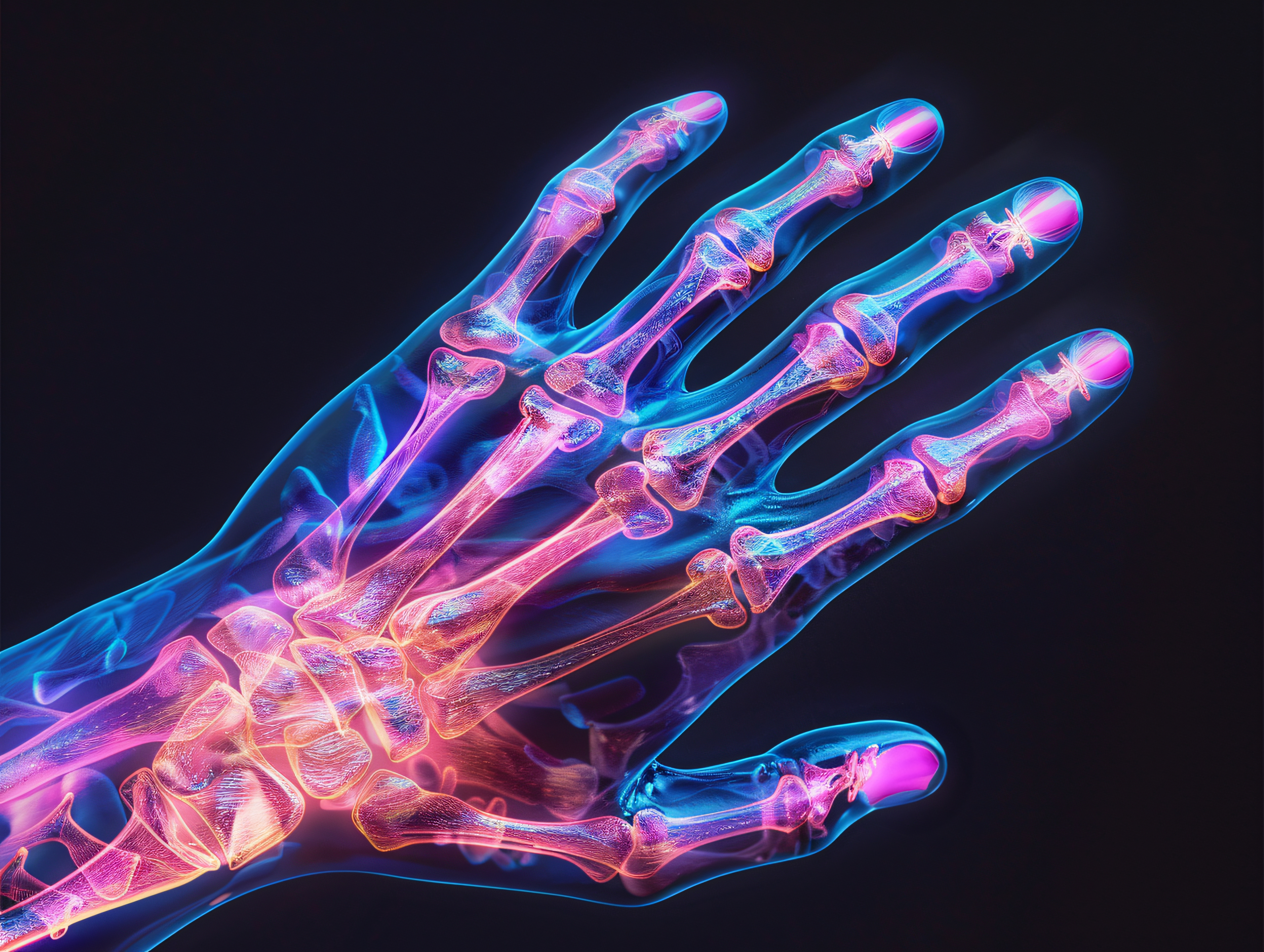
Arthrogryposis - are there effective treatments for joint stiffness?
Types of arthrogryposis
There are many rare types of arthrogryposis, and each may have its own characteristic causes and features. Diagnosis of a specific type is usually determined by a clinical geneticist in collaboration with an experienced orthopedic surgeon based on observation of symptoms and genetic test results, as well as radiological examination.
Arthrogryposis type 1 (AMC1), characterized by joint stiffness and deformity and reduced limb mobility, is most common among patients. This type of arthrogryposis can be caused by a mutation in the MYH3 gene.
Type 2 (AMC2) , on the other hand, is a form of arthrogryposis that can lead to significant deformities of the limbs and internal organs, mainly the chest, making it often associated with severe respiratory problems.
Another type we distinguish is neurogenic arthrogryposis, which is caused by nerve damage, leading to muscle and joint stiffness and limited mobility. It can be associated with other neurological disorders.
The literature still distinguishes between oculofacial arthrogryposis (DA2B) and Freeman-Sheldon syndrome. The former is manifested by congenital joint stiffness, facial defects, bone deformities and visual disturbances. In contrast, Freeman-Sheldon syndrome arthrogryposis, also known as Whistling Face Syndrome, is the rarest and is characterized by small "whistling" lips, a flat face with impaired facial expressions, clubfoot, joint contracture and muscle weakness.
How to treat arthrogryposis?
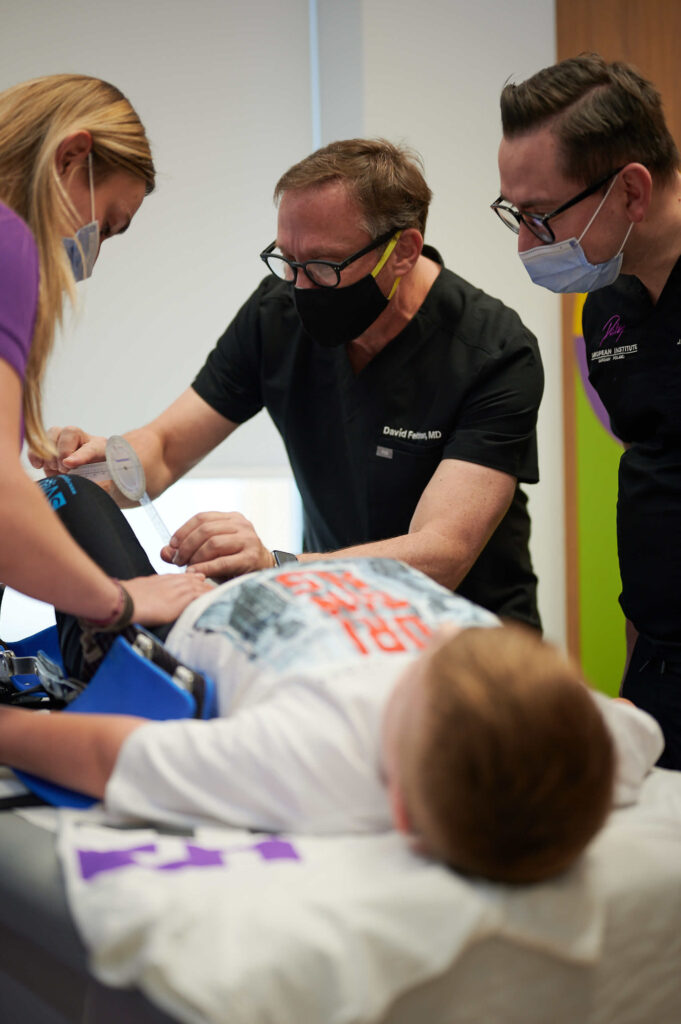
Arthrogryposis and related joint stiffness is a disease that requires physiotherapy. Its goal is to loosen stiff joints and improve mobility. Patients are taught stretching techniques, muscle-strengthening exercises and adaptive strategies to help them cope with movement limitations.
What helps with joint stiffness? Patients are also advised to use orthopedic supplies in the form of orthoses, especially night braces or casts, to keep joints in proper position and prevent further deformities. They can help loosen stiff joints and provide optimal conditions for bone growth and keep limbs in proper alignment.
In patients in whom physiotherapy and drug treatment do not bring the desired results, or have been introduced too late, surgical procedures are necessary. At Paley European Institute, in patients with arthrogryposis, we perform joint releases, corrective osteotomies of the tibia and femur, and joint reconstructions - of the hip, knee and foot, as well as the upper limb.
Wondering: arthrogryposis - can it be cured? It is important to understand that arthrogryposis requires long-term treatment and can vary from case to case. Each patient requires individual evaluation and a therapeutic plan developed by a team of specialists.
At Paley European Institute, we have a highly qualified team that specializes in pediatric orthopedics. Before we proceed with treatment, we perform a thorough diagnostic process. Based on this, we decide and arrange an individualized treatment plan. Want to learn more? Get in touch with us!
VIDEO: Paley European Institute - Arabella's story - Arthrogryposis, femoral osteotomy in children
VIDEO: Paley European Institute - Philip's story - Arthrogryposis
See other entries
How to Properly Care for a Stump After Amputation? A Practical Guide
Hollow Foot – Symptoms, Causes, and Treatment Options