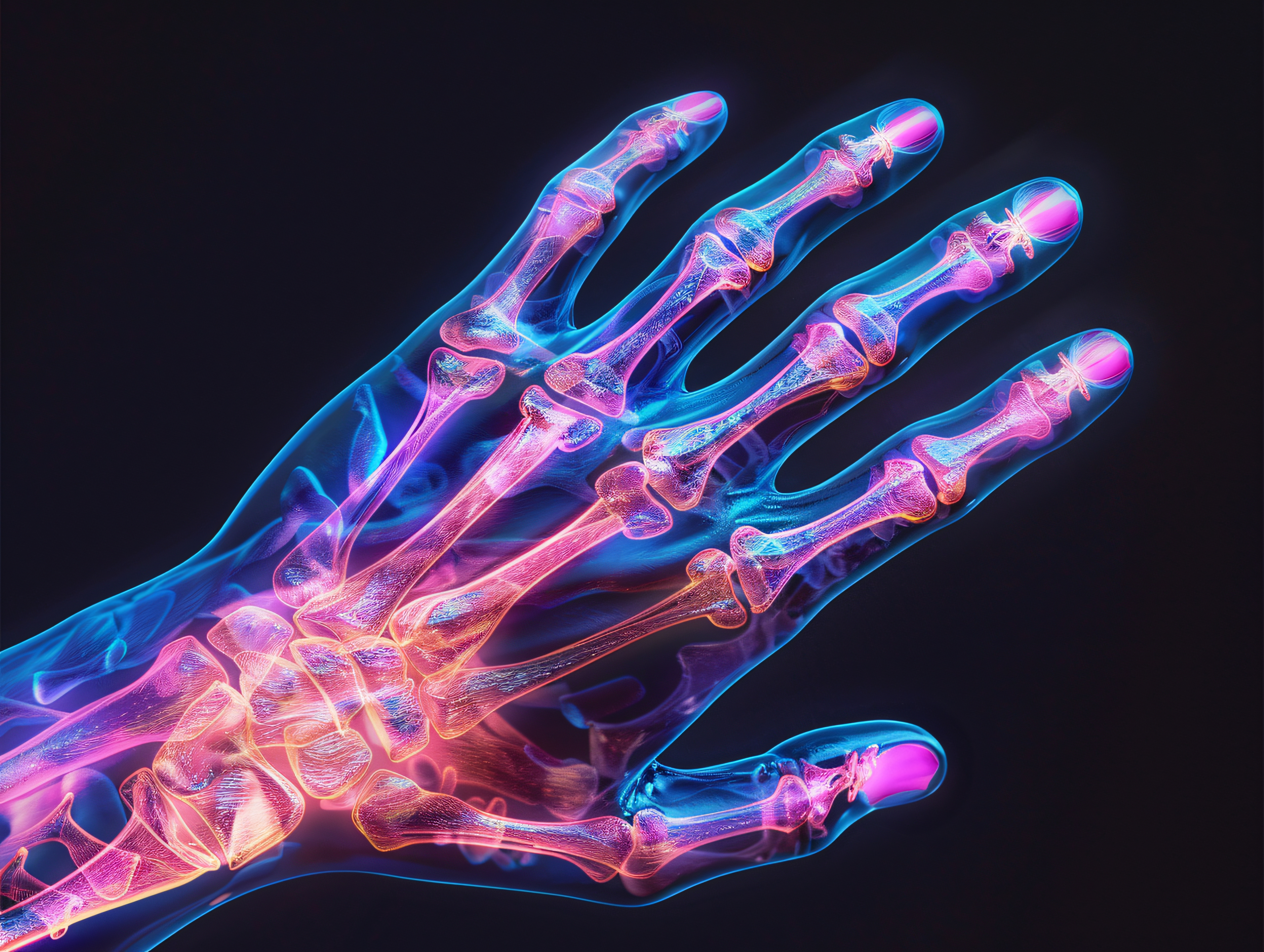
Gait analysis – how do orthopedists use it?
Gait analysis is an effective tool used by orthopedists to diagnose and plan treatment for musculoskeletal disorders. Thanks to modern technologies, specialists can determine the nature of a patient's problems with great precision and propose the most effective methods of therapy. In the following article, we will explain when gait analysis is performed, what it involves, and what gait assessment at the Paley European Institute looks like.
What will you read about?
- Gait analysis – when is it used?
- What is gait analysis?
- Gait assessment at the Paley European Institute
- Summary
Gait analysis – when is it used?
Gait analysis is used for patients with developmental movement disorders, neurological or orthopedic problems. It is also used in rehabilitation after injuries or surgeries that have affected the way a person moves. Dynamic gait analysis therefore allows for an accurate assessment of how the patient moves and identifies gait abnormalities or asymmetry of movement. This, in turn, enables doctors and therapists to plan effective therapy tailored to the individual needs of the patient.
Computerized gait analysis not only allows movement deficits and muscle strength deficits to be identified, but also their direct cause. Movement analysis complements clinical and subjective treatment, making it possible to plan therapeutic procedures.
Importantly, gait analysis in orthopedics allows for the objectification of test results, making the patient's condition clear not only to the center performing the test, but also to any other doctor or clinic in the world. This, in turn, allows for more coordinated medical care and easier exchange of information between specialists from different disciplines. Thanks to standardized and objective results, doctors from different centers can work together on an optimal treatment plan, which is particularly important for patients requiring multi-specialist intervention.
What is gait analysis?
Now that you know what motion analysis means to an orthopedist, we can focus on what it actually involves. It is based on detailed observation of the way a patient moves. Advanced technologies such as telemetry and force platforms are used for this purpose. However, 3D analysis, which allows for a three-dimensional assessment of a patient's movements, is becoming increasingly popular. During the examination, the patient moves along a specially prepared track with sensors attached to their body. The data from the sensors is sent to a computer, which records every movement, even the smallest ones, and the load on individual parts of the body. This provides a comprehensive picture of the mechanics of gait, which is invaluable in diagnosing and planning further treatment.
Gait assessment at the Paley European Institute
At the Paley European Institute, we use gait analysis, which we perform in a 3D laboratory, enabling very accurate diagnosis and effective treatment planning. The laboratory is equipped with advanced motion capture devices, allowing for precise tracking of body dynamics in real time. This technology not only increases the accuracy of the diagnosis, but also allows pediatric orthopedic doctors and physical therapists to monitor the patient's progress at every stage of therapy. As a result of a standardized examination performed according to current gait analysis standards, patients receive a personalized treatment plan that is precisely tailored to their individual needs.
Summary
Gait analysis is an extremely valuable tool in the hands of orthopedists, allowing for accurate diagnosis and effective treatment planning and monitoring. Thanks to the use of modern technologies, such as 3D motion analysis, specialists can offer patients therapies tailored to their specific needs, which significantly improves their quality of life and speed of recovery.
See other entries
How to Properly Care for a Stump After Amputation? A Practical Guide
Hollow Foot – Symptoms, Causes, and Treatment Options