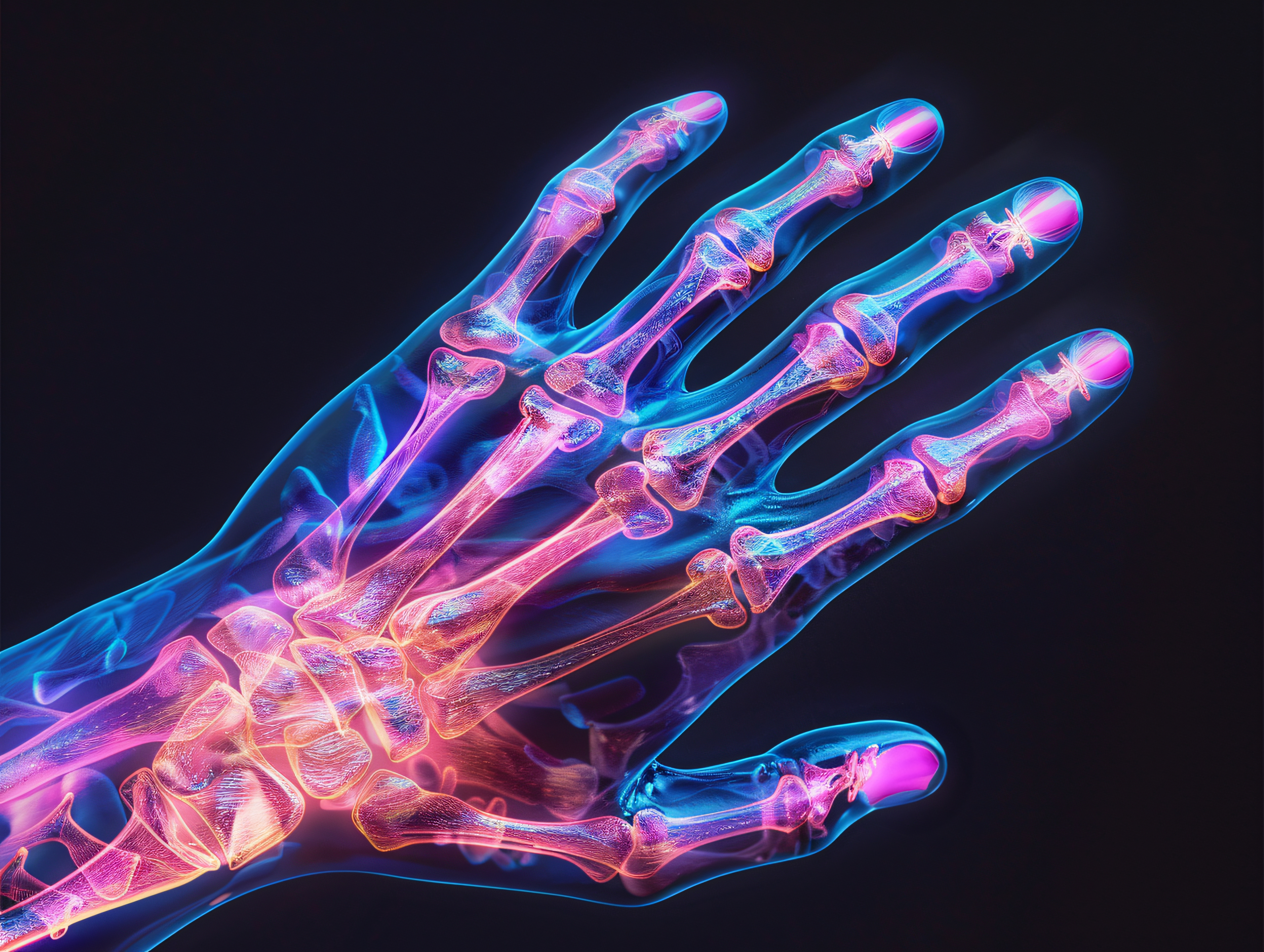
Gait analysis - how do physiotherapists use it?
When is a gait analysis needed? Physiotherapy uses this technique to study in detail how a Patient walks, which is crucial in both diagnosing and monitoring treatment progress. In this article, we will take a look at how gait analysis helps physiotherapists tailor therapies to individual patients' needs, affecting the effectiveness and speeding up the treatment process and improving the patient's quality of life. We will also discuss what technologies are currently in use and their benefits.
Gait analysis in physiotherapy - key information
Gait analysis for a physiotherapist is a key element in the comprehensive evaluation of a patient. It makes it possible not only to identify deficits in movement and muscle strength, but also to analyze the impact of these disorders on the whole body and find their cause. Therapists use this technique to determine which muscles are overloaded, which are too weak, and which are working in the wrong way, which can lead to pain or further aggravation of the dysfunction. Consequently, dynamic gait analysis becomes the basis for creating an individualized treatment plan, which may include patient-specific exercises as well as the use of various manual therapies.
Gait analysis in a physiotherapist's practice also makes it possible to accurately track the effects of therapy. For example, the implementation of strengthening exercises can be monitored through regular gait assessments, allowing rapid response and modification of the treatment plan as needed.
Importantly, gait analysis allows for objectified test results. This makes the information about gait disorders in children understandable not only to the clinic that performs the study, but also to other specialists involved in the child's care, such as pediatricians, orthopedists and neurologists. Objective analysis makes it possible to jointly determine the most effective therapeutic methods that are tailored to the individual needs of each child.
When is gait analysis used?
Gait analysis is essential during both conservative and surgical treatment. It is a key element in the case of a child's abnormal gait resulting from developmental movement defects, neurological or orthopedic problems. A thorough understanding of the peculiarities of movement in such cases enables effective planning of therapeutic interventions that are tailored to the young patient's needs.
Gait analysis - methods used
Techniques such as telemetry, force platforms and 3D evaluation of a patient's movements are increasingly used in physiotherapy. However, it is 3D analysis that is gaining popularity due to its ability to provide a comprehensive and three-dimensional picture of gait mechanics. This method allows for precise observations of movement in the X, Y, and Z axes, which is invaluable for analyzing fine details of movement that are elusive to traditional methods. What exactly does computerized gait analysis consist of? During the examination, the patient has sensors attached at appropriate locations and moves along a specially prepared track. These sensors are highly sensitive to movement and transmit the data in real time to a computer, which analyzes it using sophisticated software. This allows physiotherapists to gain deep insight into the patient's gait dynamics, identifying any abnormalities in joint movement and limb loading or gait asymmetry.
Summary
Motion analysis in physiotherapy is a key tool for assessing the biomechanics of movement, identifying abnormalities and monitoring the progress of rehabilitation, which significantly affects patients' quality of life. It is particularly frequently used not only in pediatric orthopedics, but also in physiotherapy. Would you like to learn more? Get in touch with us! At the Paley European Institute, we conduct a thorough gait analysis, which allows us to plan treatment tailored to your specific needs. You are welcome!
See other entries
How to Properly Care for a Stump After Amputation? A Practical Guide
Hollow Foot – Symptoms, Causes, and Treatment Options