ABC by Paley - ENGAGE
By encouraging the child to do the housework: hanging the laundry, unloading the dishwasher, vacuuming, or preparing sandwiches, we give him a chance to prove himself, learn independence, and take responsibility for his own actions. The child gains a sense of agency and thus strengthens his self-esteem. Of course, this also requires the parent to be patient and appreciate the child's efforts. Even if there's a small disaster, if something goes wrong for your child, if it breaks the plate, or spills water, let's give him another chance. Anyway, a broken vessel or spilled water is also a great opportunity to learn and see the consequences of their actions. "The glass is fragile, so next time you have to be more careful not to break the next one," he says. "The water has run out, so take a cloth and wipe it down to prevent the floor from getting damaged."
The basis of success is enabling the child to perform activities with which he or she's coping that are adequate to his or her development and gradually increasing the level of difficulty. When caregivers show their children from an early age that it matters to be involved in housework, the chance increases that in the future they will avoid a lot of frustration about their "child doing nothing."
Engaging is also important in the healing process. During physiotherapy, the child should not be relieved, but also by including him in everyday activities, give him a chance to perform activities. Then the recovery will take place outside the gym.
When to start involving children in housework?
Even tiny children imitate their parents and, for example, "cook" with their toys or wipe the floor with a cloth. It's worth taking advantage of the moments of spontaneous activity of the child and encouraging them to help. Then, it's worth giving him a sponge or cloth and let him wipe the table with us. Let's also let him mix the ingredients in the salad or mash it with a banana fork. Children love to load and unload the dishwasher. As long as we do not wash precious porcelain in it, the toddler can take out the dishes together with the parent. Children treat the daily duties that we have to perform at home as fun. So, this is a great time to get the most out of it and help your baby form habits that will be useful for him later in life.
When engaging children to help at home or in the garden, let's bear in mind that more often than not, it will create a bigger mess than when we acted alone. Sometimes, it can be a real lesson for our patience, so being a parent should also be understanding yourself in the whole process of involving your child in the housework.
Let's also not forget that due to the constantly developing nervous system, children are more distracted and bored, so it may turn out that after a few minutes of help at home, they will go to their room to do their own business. Then it's worth reminding the child that there're still things to be finished, but try not to push. Forcing a child to help, we will discourage them rather than achieve the intended goal. When housework isn't associated with a toddler with unpleasant duty and unpleasant emotions, there's a greater chance that as an older child or teenager, our child will be more willing to clean their room, throw away rubbish and become involved in taking care of the house. After all, it's a common space that the family cares for together so that all household members have a better life.
"When the milk is splattered all over the floor, and those little eyes are looking for your reaction, remember what really matters. It takes five minutes to clean up spilled milk. It takes much longer to clean up a broken spirit."
Rebecca Eanes
See other entries
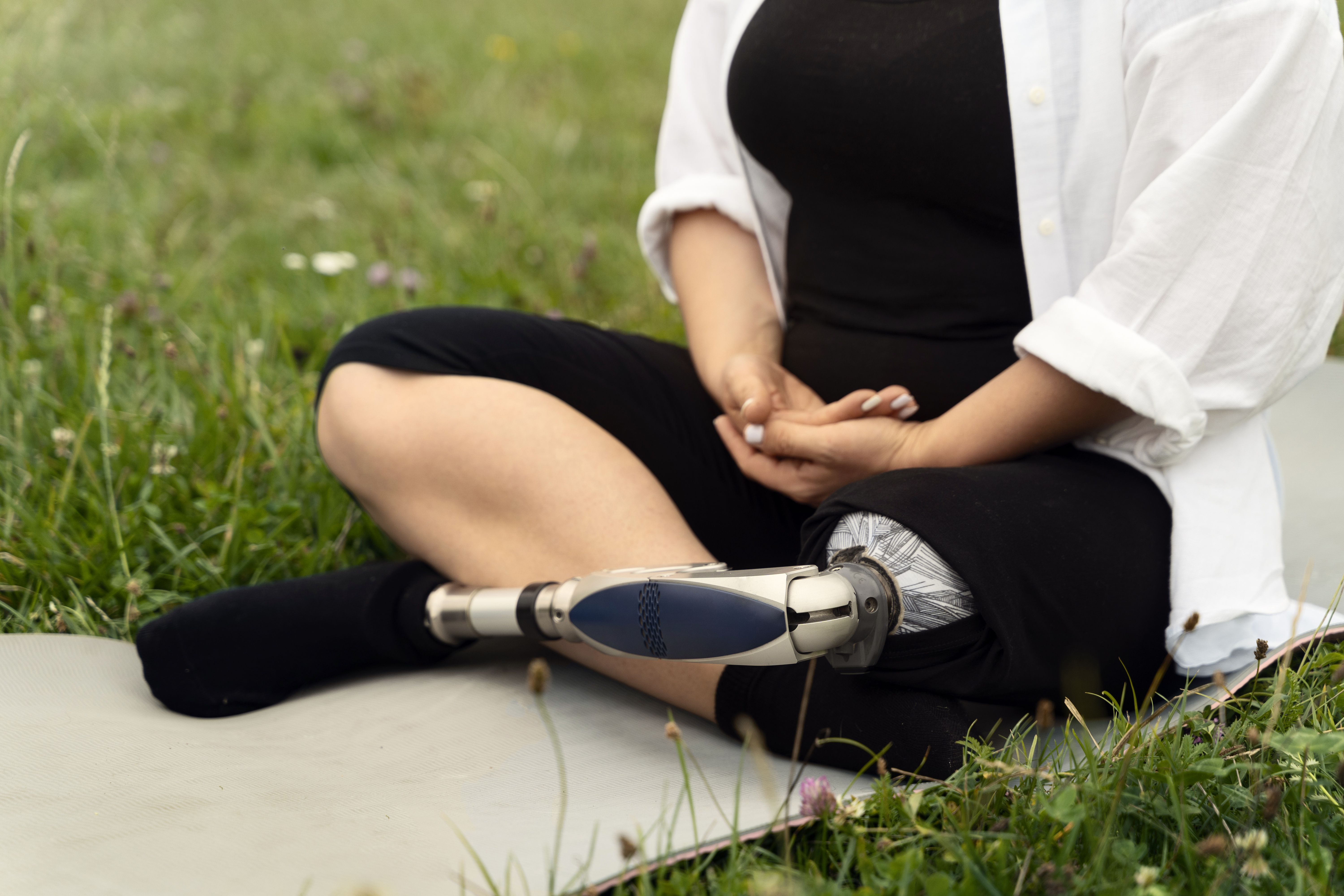
How to Properly Care for a Stump After Amputation? A Practical Guide

Hollow Foot – Symptoms, Causes, and Treatment Options