Rehabilitation Equipment for Children with Childhood Cerebral Palsy (MPD).
Rehabilitation equipment plays a major role in the treatment of children with cerebral palsy (MPD). It supports daily functioning, improves mobility and independence, and minimizes the risk of deformities and other complications. Below is a wide range of available equipment solutions that can significantly improve the quality of life for children with MPD.
Orthoses and Corsets
Bracing and corsets are devices that support a child's limbs and torso, helping to maintain correct posture and prevent deformities.
- Lower limb orthoses: Stabilize the ankle and knee joints to help you walk properly.
- Corsets: They stabilize the spine, which is especially important for children with postural problems.
- Assistive devices for hand movements: Help improve hand motor functions to support daily activities.
Wheelchairs
Wheelchairs allow children with MPD greater mobility and independence.
- Power wheelchairs: For children with limited gross motor skills, but with partial control of the head, trunk and upper limbs - allow them to move around without the help of a third person.
- Manual strollers: Lightweight and easy to maneuver, suitable for children with greater strength in their upper extremities.
- Specialty strollers: Designed for specific needs, such as off-road strollers for outdoor activities, but also with an appropriately adapted seat to help control sitting posture
Sensory Therapy Equipment
Sensory therapy equipment supports children's sensory and motor development.
- Therapeutic balls: Used for balance and coordination exercises.
- Exercise Mats: Soft surfaces for fine motor exercises that minimize the risk of injury.
- Sensory toys: They stimulate a child's senses, helping with sensory and motor development.
Assistive and Alternative Communication (AAC) Systems.
AAC systemsare crucial for children with speech and communication difficulties.
- Picture communicators: They make it easy for children to express needs and emotions through pictures.
- Assistive speech devices: Electronic devices that convert text into speech.
- Mobile apps: Software on tablets and smartphones that supports alternative communications.
Other Equipment and Technology
Specialized chairs and armchairs: Provide postural support while sitting.
Exoskeletons: Mechanical assistive movement devices that help children with MPD walk.
Uprights: devices that help children stand upright, which promotes muscle and bone development.
Walkers: devices that assist in learning to walk and maintaining balance.
See other entries
October 15, 2026
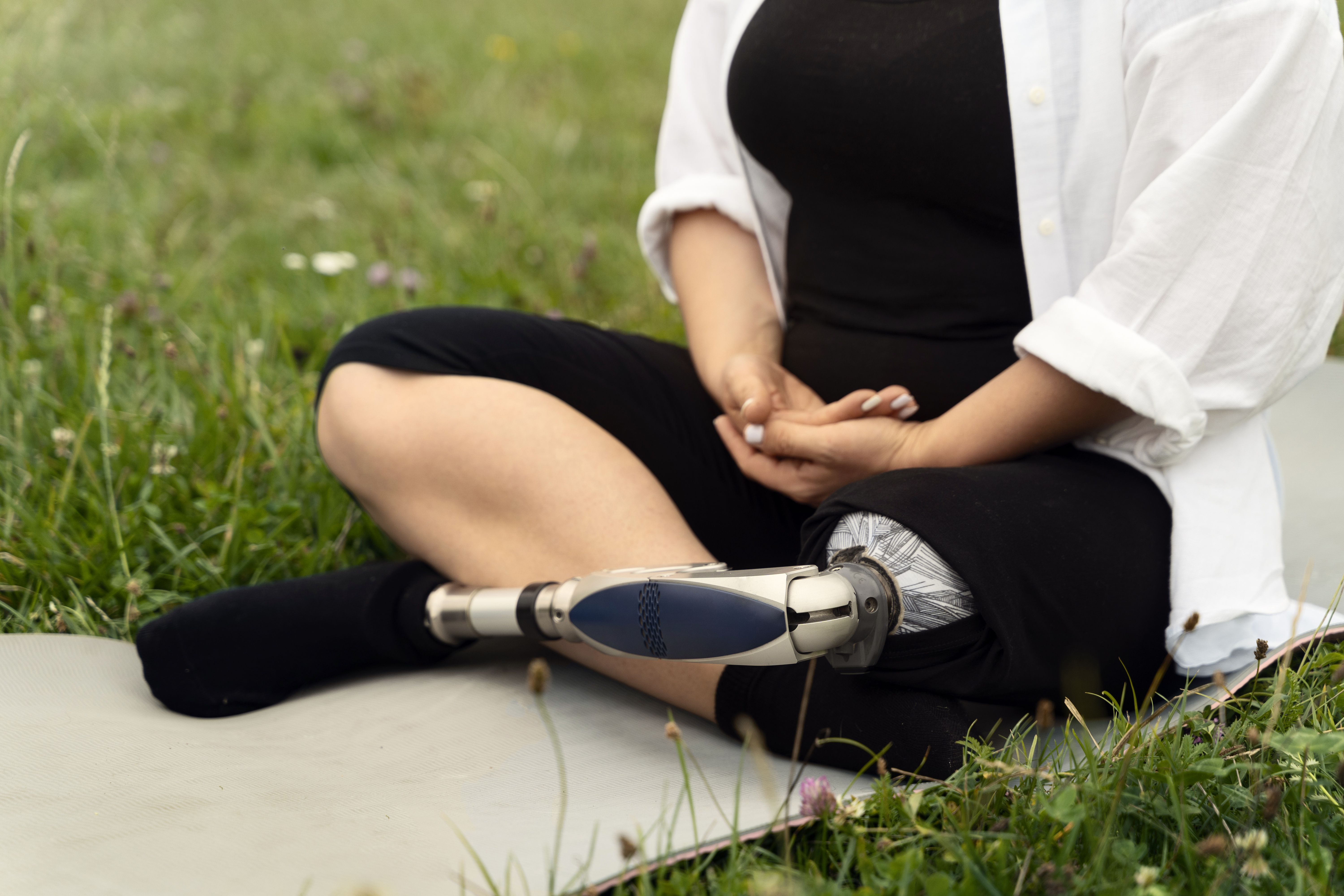
How to Properly Care for a Stump After Amputation? A Practical Guide
Stump care following amputation is an important part of regaining mobility, preparing for prosthetic fitting, and preventing skin and functional complications. Proper hygiene, daily skin monitoring, edema management, correct limb positioning, and rehabilitation help create the conditions for proper healing and continued improvement. However, the course of treatment depends on the level of amputation, the reason for the procedure, the condition of the wound, and the treatment method used. […]
October 10, 2026
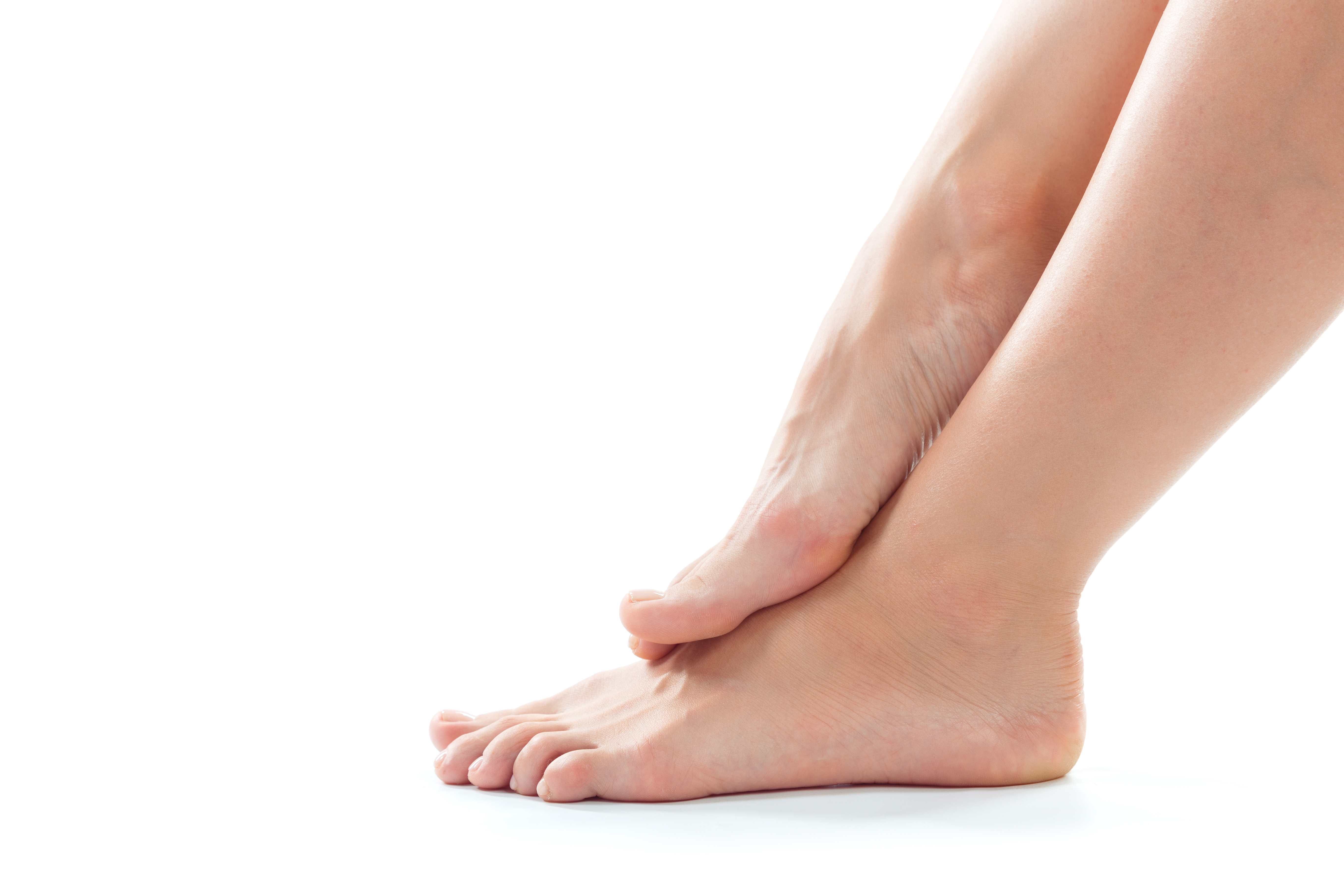
Hollow Foot – Symptoms, Causes, and Treatment Options
A high arch (pes cavus) is a deformity in which the longitudinal arch of the foot is excessively arched. The mere presence of a high arch does not always indicate a medical condition—for some people, it is simply a variation in foot structure that causes no symptoms. The problem arises when the increased arch is associated with abnormal weight distribution, pain, ankle instability, toe deformity, or […]
October 1, 2026
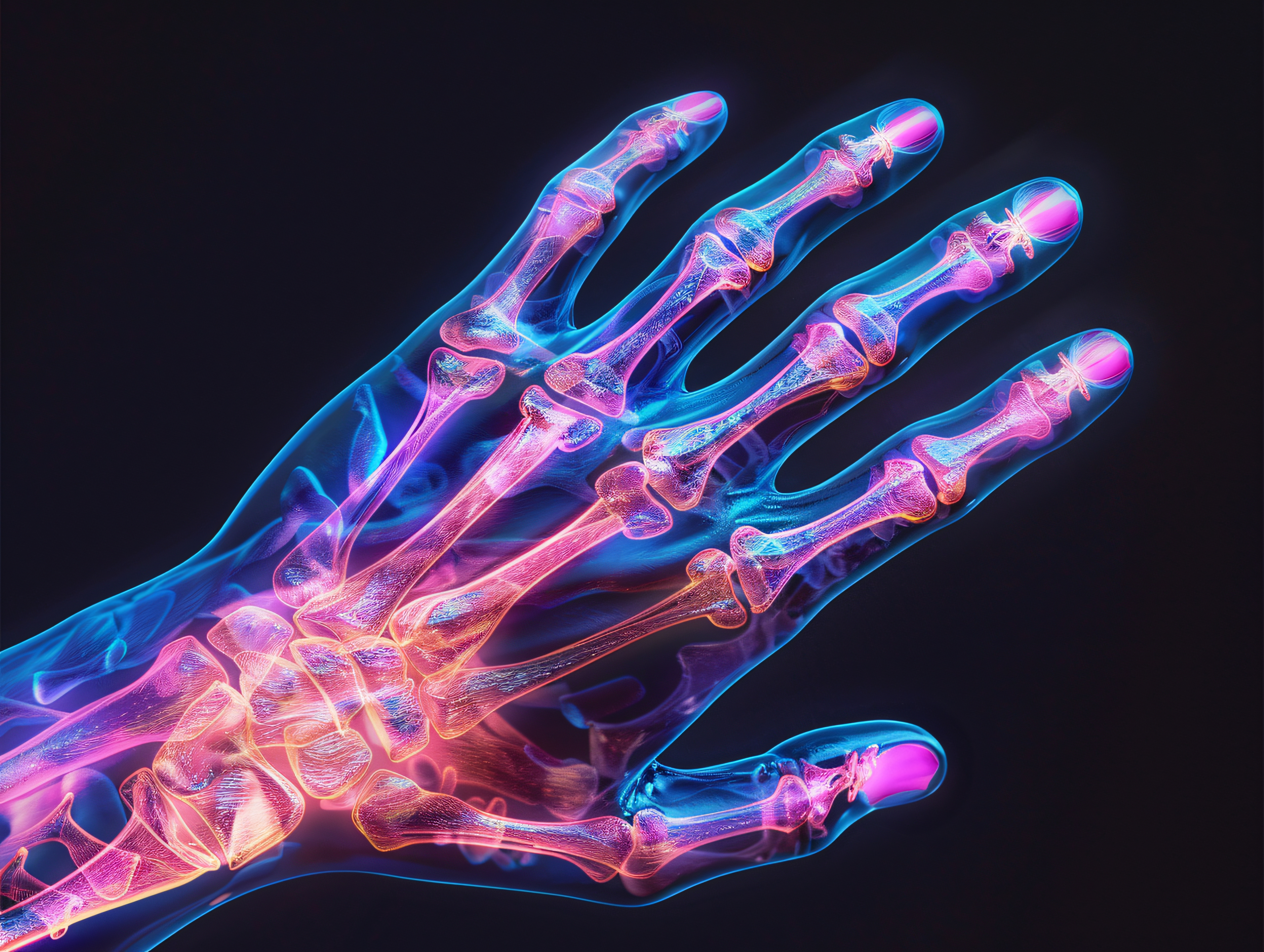
Aplasia—What Is It, and What Are Its Causes?
Aplasia is a developmental disorder in which a specific tissue, structure, or organ does not develop properly or does not reach full maturity. In orthopedics, this term may refer, among other things, to the underdevelopment or absence of a portion of a bone, a limb, a segment of a limb, or specific structures of the musculoskeletal system. The extent of the abnormalities varies widely—from minor underdevelopment of a single […]