Stay up to date
Watch us
Watch us
Contact

Vaccum Assisted Closure (VAC) therapy, or vacuum therapy, at Paley European Institute

What Vaccum Assisted Closure (VAC) therapy is all about.

Made of a special sponge, the VAC therapy dressing is placed on the wound with great precision. Thanks to the suction and fluid collection system, negative pressure is generated. The vacuum created in the wound speeds up the healing process and greatly facilitates it. It also causes a reduction in swelling, and by preventing the colonization of bacteria within it, it prevents the development of infection. All this allows for better functional results than traditional therapy, which translates into patient satisfaction with the results of treatment.

Vaccum Assisted Closure (VAC) therapy at Paley European Institute

VAC therapy is a global standard, but few facilities in Poland use it. Paley European Institute is among this small group, as we are committed to ensuring that our patients receive the best care. We apply the VAC therapy dressing about 10 days into the post-operative period, which accelerates wound healing, reduces the risk of infection and makes scars aesthetically pleasing.

See other entries
October 15, 2026
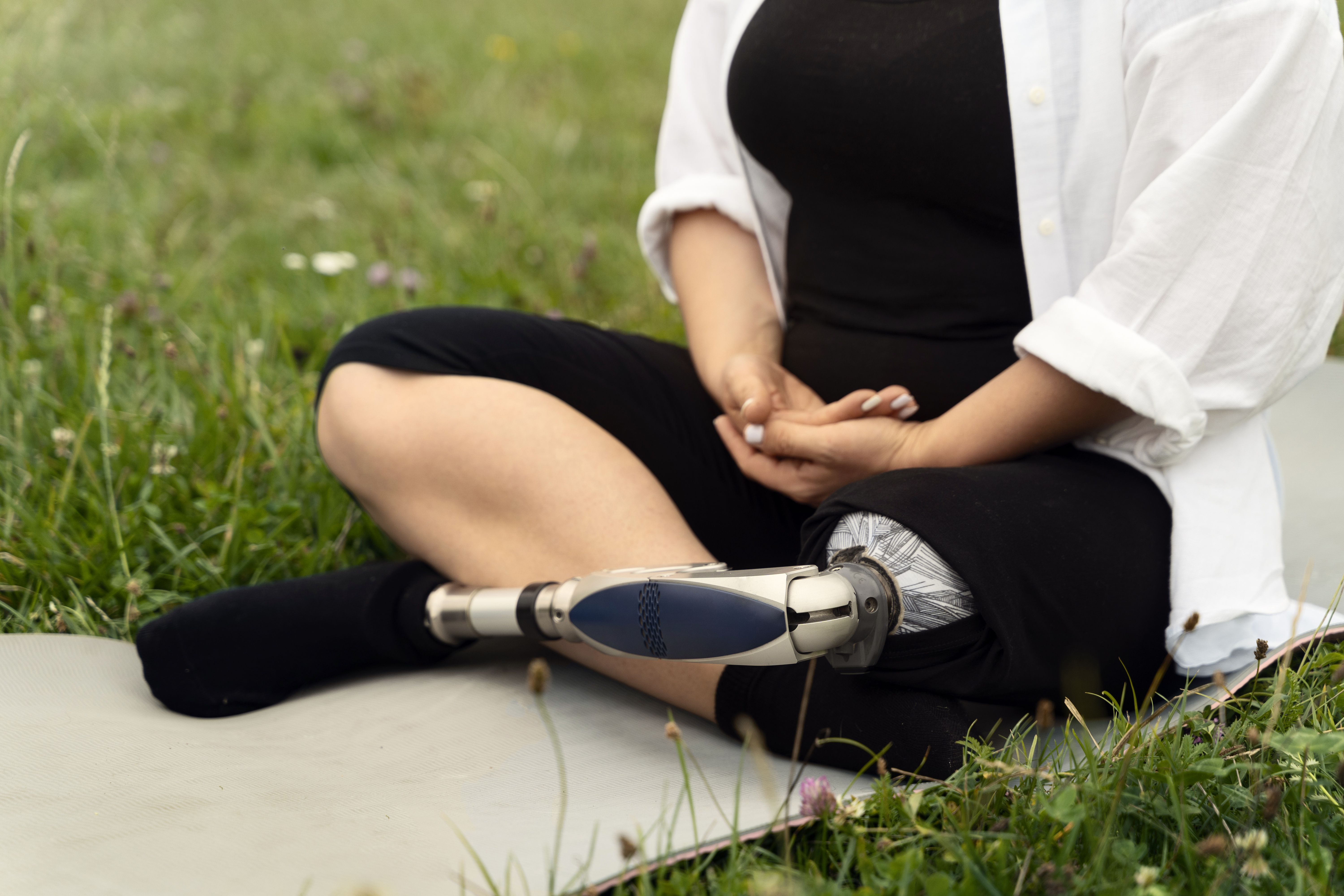
How to Properly Care for a Stump After Amputation? A Practical Guide
Stump care following amputation is an important part of regaining mobility, preparing for prosthetic fitting, and preventing skin and functional complications. Proper hygiene, daily skin monitoring, edema management, correct limb positioning, and rehabilitation help create the conditions for proper healing and continued improvement. However, the course of treatment depends on the level of amputation, the reason for the procedure, the condition of the wound, and the treatment method used. […]
October 10, 2026
Hollow Foot – Symptoms, Causes, and Treatment Options
A high arch (pes cavus) is a deformity in which the longitudinal arch of the foot is excessively arched. The mere presence of a high arch does not always indicate a medical condition—for some people, it is simply a variation in foot structure that causes no symptoms. The problem arises when the increased arch is associated with abnormal weight distribution, pain, ankle instability, toe deformity, or […]
October 1, 2026
Aplasia—What Is It, and What Are Its Causes?
Aplasia is a developmental disorder in which a specific tissue, structure, or organ does not develop properly or does not reach full maturity. In orthopedics, this term may refer, among other things, to the underdevelopment or absence of a portion of a bone, a limb, a segment of a limb, or specific structures of the musculoskeletal system. The extent of the abnormalities varies widely—from minor underdevelopment of a single […]