Stay up to date
Watch us
Watch us
Contact

Shortening of the triceps calf muscle - a case study

Shortening of the triceps calf muscle with the help of physiotherapy and serial casting

Many specialists recommended that Luke undergo surgery to lengthen his Achilles tendon, saying that without it he would never be able to put his heel up.

At the Paley European Institute, instead of surgery, we subjected the boy to physiotherapy and serial plastering, the goal of which was to increase the length of the muscle. After 3 weeks, we achieved the results you can see in the second photo - the boy started to put his heel when walking! We secured the achieved results with a specially prepared orthosis.

Every surgical procedure and every anesthesia are a major intervention in the human body. Therefore, at PEI, we use surgical treatment only according to the indications developed through our experience, but whenever possible, we work out the results with conservative methods such as physiotherapy, occupational therapy, plastering or orthotics.

We achieved the result only thanks to the great cooperation of Luke and his parents. Applause for hard work and perseverance!

See other entries
October 15, 2026
How to Properly Care for a Stump After Amputation? A Practical Guide
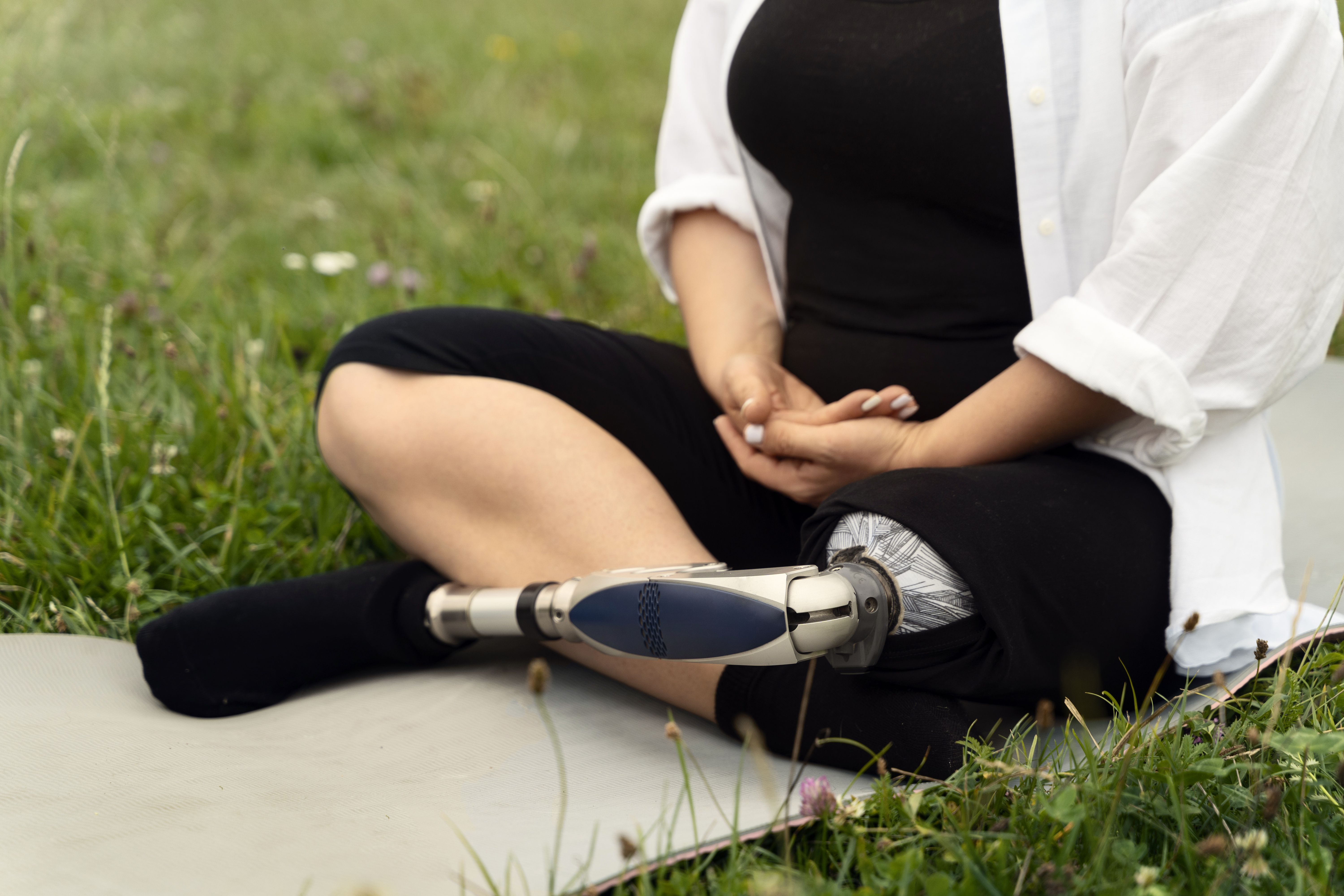
Stump care following amputation is an important part of regaining mobility, preparing for prosthetic fitting, and preventing skin and functional complications. Proper hygiene, daily skin monitoring, edema management, correct limb positioning, and rehabilitation help create the conditions for proper healing and continued improvement. However, the course of treatment depends on the level of amputation, the reason for the procedure, the condition of the wound, and the treatment method used. […]
October 10, 2026
Hollow Foot – Symptoms, Causes, and Treatment Options
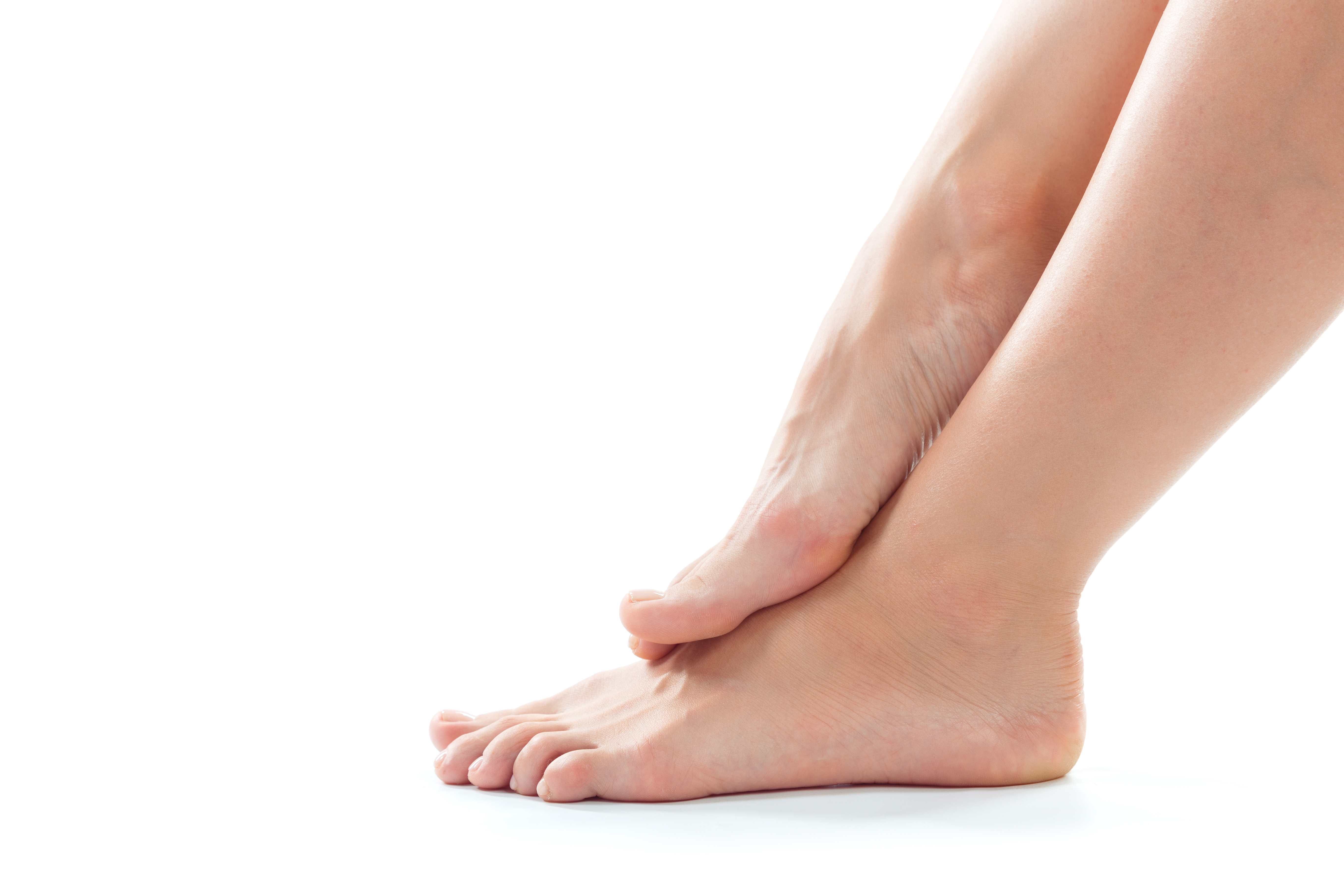
A high arch (pes cavus) is a deformity in which the longitudinal arch of the foot is excessively arched. The mere presence of a high arch does not always indicate a medical condition—for some people, it is simply a variation in foot structure that causes no symptoms. The problem arises when the increased arch is associated with abnormal weight distribution, pain, ankle instability, toe deformity, or […]
October 1, 2026
Aplasia—What Is It, and What Are Its Causes?
Aplasia is a developmental disorder in which a specific tissue, structure, or organ does not develop properly or does not reach full maturity. In orthopedics, this term may refer, among other things, to the underdevelopment or absence of a portion of a bone, a limb, a segment of a limb, or specific structures of the musculoskeletal system. The extent of the abnormalities varies widely—from minor underdevelopment of a single […]