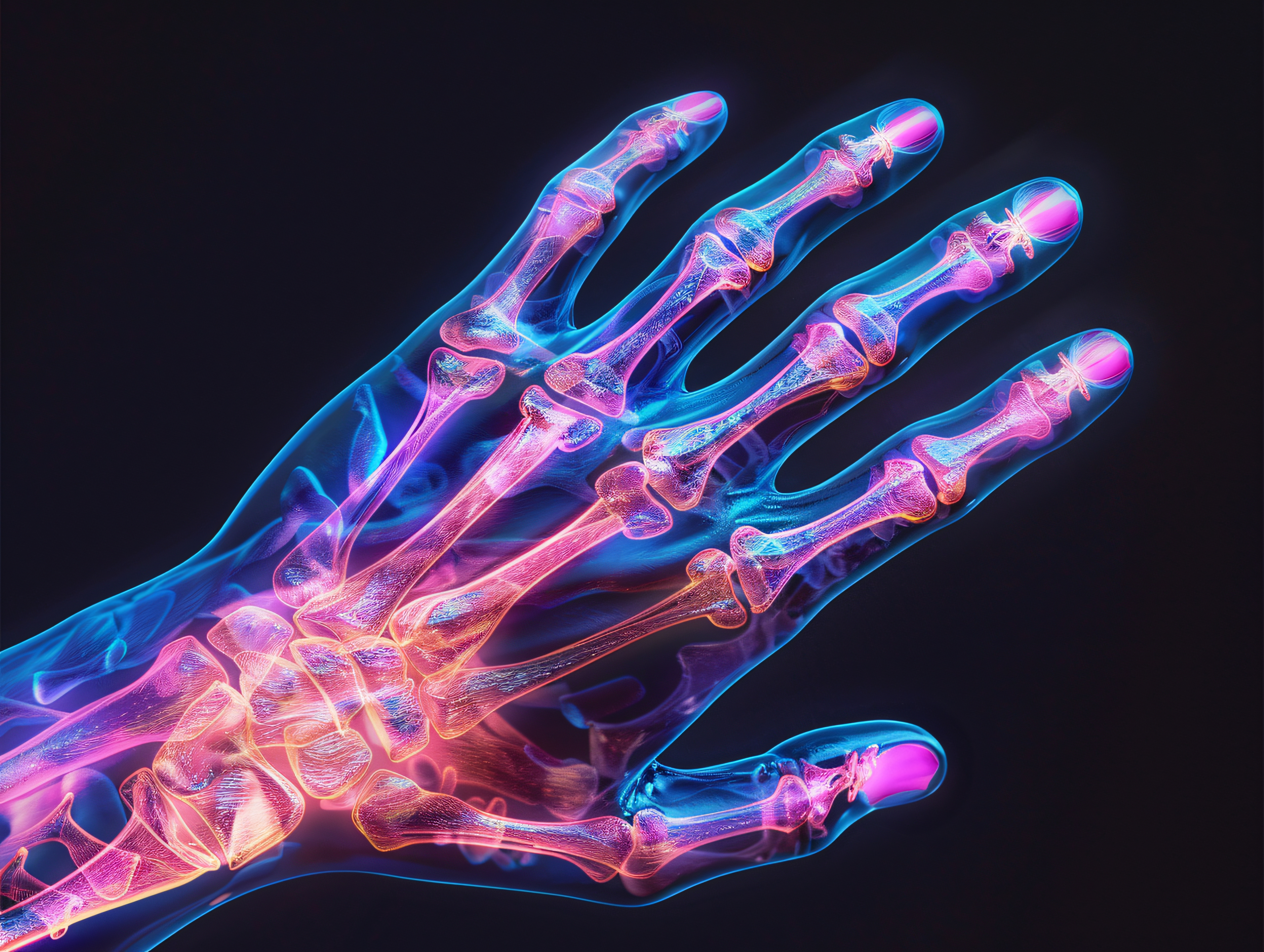
Clasp-free denture – a modern solution in osseointegration
Check:
- What is a non-sleeve prosthesis?
- Limitations of traditional funnel dentures
- What is osseointegration?
- The benefits of using a castless prosthesis
- Safety and possible complications
- A New Quality of Life Thanks to Osseointegration
What is a non-sleeve prosthesis?
A socketless prosthesis is an innovative solution for amputees that eliminates the need for a traditional prosthetic socket. In conventional prostheses, the socket is responsible for connecting the stump to the prosthesis, but it often causes discomfort, skin problems, and functional limitations. In osseointegration, the implant is permanently placed in the bone and then connects directly to the prosthesis, creating a stable and more natural movement system.
Limitations of traditional funnel dentures
Despite many years of advancements in prosthetic technology, socket prostheses still present significant challenges. Fitting the socket is a demanding process that does not always yield the desired results, as it is difficult to simultaneously achieve adequate stability, comfort, and the absence of pressure points. Patients often experience stump pain, abrasions, ulcers, or recurrent skin infections. Additionally, changes in stump volume, excessive sweating, or the presence of scars can significantly hinder the daily use of the prosthesis and limit mobility and independence.
What is osseointegration?
Osseointegration is an advanced surgical procedure involving the placement of an implant directly into the bone. After a healing period, the implant integrates with the bone tissue, forming a permanent and stable bond. A special connector is then brought out through the skin, to which the external part of the prosthesis is attached. This solution allows for the restoration of a more physiological limb axis and improves the biomechanics of movement, which translates to greater control and comfort of use.
The benefits of using a castless prosthesis
The greatest advantage of a socketless prosthesis is a significant improvement in quality of life. The absence of a socket eliminates problems associated with pressure, skin overheating, and painful chafing. The direct connection to the bone allows for better weight-bearing and a more natural sense of movement, known as osteoperception. Patients gain greater control over the prosthesis, their balance and gait improve, and daily activities become easier and less taxing.
Safety and possible complications
Like any surgical procedure, osseointegration carries certain risks. The most commonly reported complication is infection at the site where the implant enters the skin; therefore, proper hygiene and regular medical checkups are crucial. Other complications are also possible, but with proper treatment and cooperation with a team of specialists, the risk of these complications is significantly reduced.
A New Quality of Life Thanks to Osseointegration
The socketless prosthesis represents a breakthrough in the treatment of amputees. Thanks to the use of modern technologies, it is possible to achieve greater independence, improved mobility, and a return to an active lifestyle. At the Paley European Institute, the treatment process is comprehensive—from initial evaluation through surgery to rehabilitation and long-term care—ensuring the best possible therapeutic outcomes.
See other entries
How to Properly Care for a Stump After Amputation? A Practical Guide
Hollow Foot – Symptoms, Causes, and Treatment Options