Paley European Institute - consultation Dr. Magdalena Ogrodnik CHILD NEUROLOGIST
Magdalena Ogrodnik, developed her passion for pediatric neurology during her internship at Evelina London Hospital, where she was fascinated by the work of specialists dealing with movement disorders and decided on a professional path. Her extensive experience includes work at renowned research institutions, including the University of Michigan in the United States, where she gained unique knowledge in the area of multiple sclerosis and spasticity.
Returning to the country resulted in the practical application of the knowledge gained, which, combined with participation in conferences and specialized courses, including at the University of Boston, resulted in an international outlook on the doctor's work and comprehensive care of the patient.
According to Paley European Institute medical director Tomasz Albrewczynski:
"The addition of Ms. Magdalena Ogrodnik to our team is an important step in providing even better care to our patients. Her experience in pediatric neurology, international perspective, and approach to personalized medicine are extremely valuable and needed in our work."
We are confident that Ms. Magdalena Ogrodnik will bring invaluable value to our team, contributing to the further development of our standards of medical care.
Dr. Magdalena Ogrodnik specializes in providing neurological consultations and effective botulinum toxin administration, providing comprehensive and professional care for young patients. The first consultation will take place on January 23, 2024 from: 2:00 - 7:00 p.m. Sign up by contacting the reception desk: +22 150 15 10 and recepcja@paleyeurope.com .
Take advantage of specialized neurological care for children and adults offered by the Paley European Institute.
See other entries
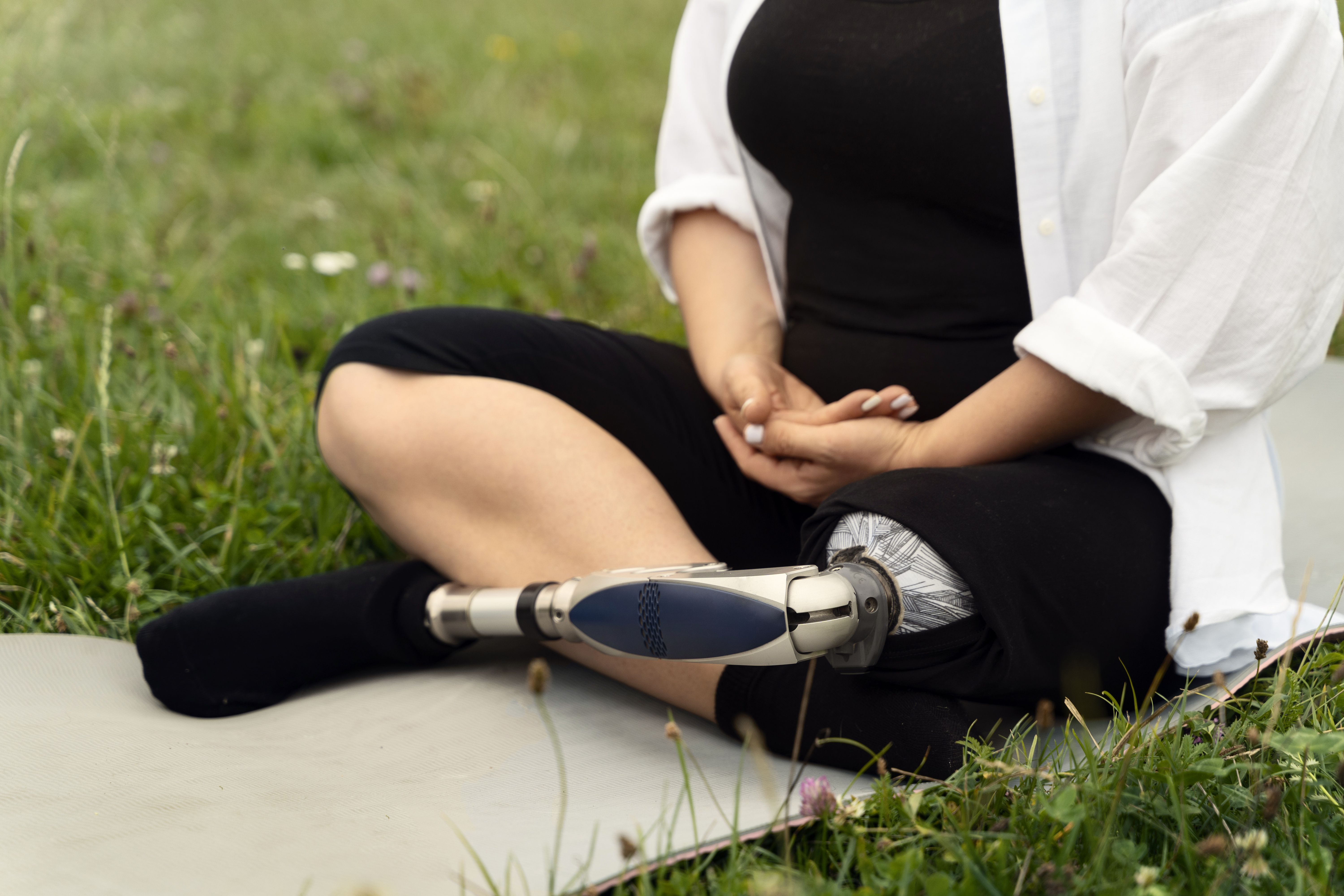
How to Properly Care for a Stump After Amputation? A Practical Guide

Hollow Foot – Symptoms, Causes, and Treatment Options