Orthopedist: Who is he and what conditions does he treat?
Orthopedist - what does he do?
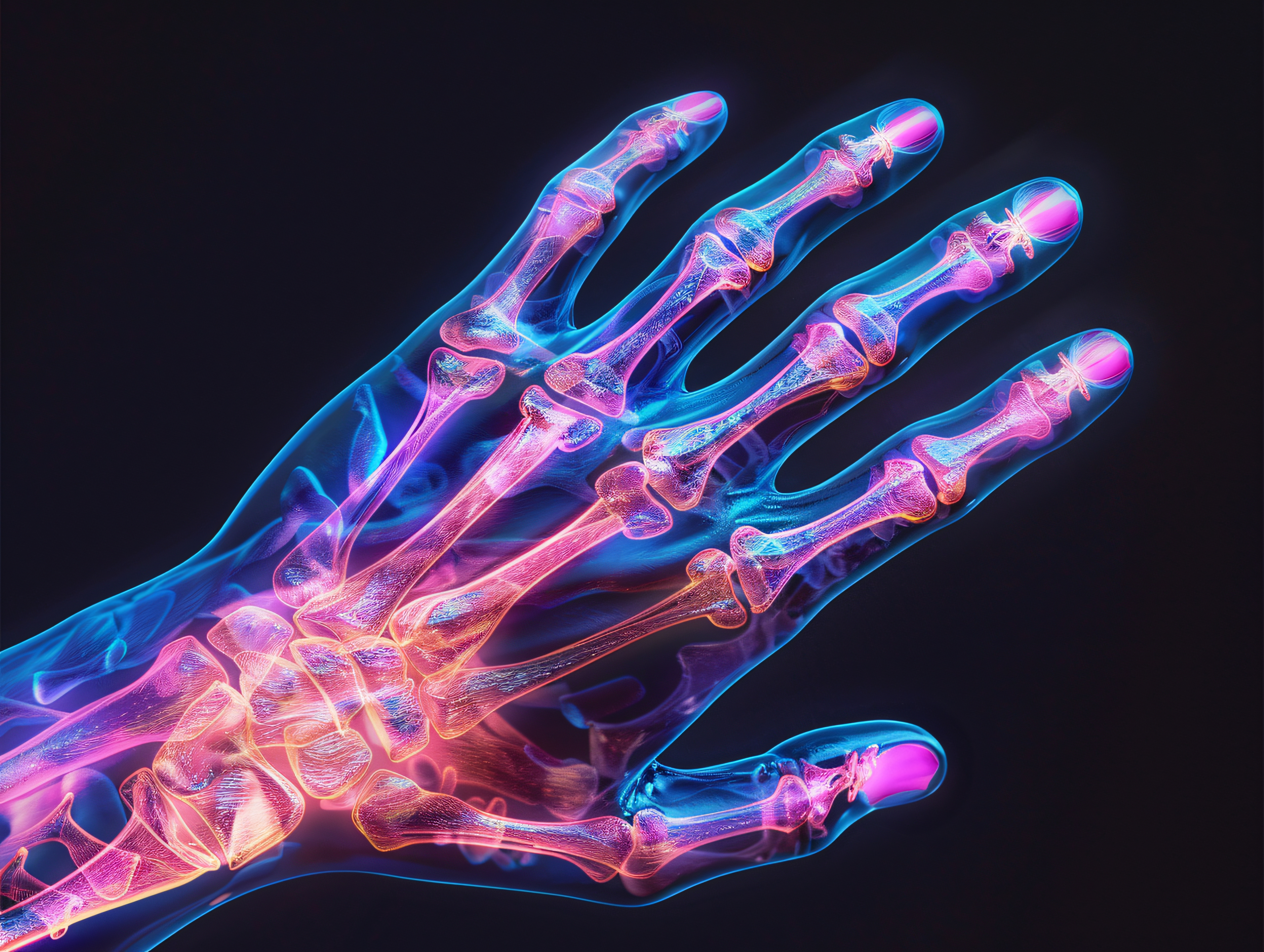
Orthopedics focuses on the prevention, diagnosis, treatment, and rehabilitation of disorders of the musculoskeletal system, including bones, ligaments, joints, muscles, nerves and vessels. It is a field of medicine that significantly affects patients' quality of life, providing solutions that help them return to full function after injury, or improve body function despite congenital or acquired degenerative diseases, degenerative changes, dysplasias and other musculoskeletal conditions.
An orthopedist is therefore a specialist who has a deep knowledge of the musculoskeletal system. His wide range of expertise allows him to perform detailed diagnostic examinations, create individualized treatment plans that may include conservative therapies, surgical procedures or rehabilitation recommendations, as well as use interventional treatment methods.
The list of diseases and conditions that orthopedic surgeons deal with is long. Common ailments include:
? bone fractures and breaks,
? bone infection,
? arthritis,
? joint pains,
? foot deformities,
? rheumatism,
? sciatica,
? sagittal and tibial hemimelia,
? underdevelopment of the femur,
? inflammatory and infectious conditions of soft tissue,
? tendonitis,
? osteoporosis,
? bone tumors,
? underdevelopment of the radius bone,
? Juvenile exfoliation of the femoral head,
? degenerative diseases of the spine,
? cerebral palsy.
When is it a good idea to decide to see an orthopedist?
The decision to visit an orthopedist may be based on a variety of factors that take into account the age, lifestyle and other individual characteristics of the patient in question. Nevertheless, there are some general situations and symptoms that may indicate the need to consult an orthopedic specialist. Here are some of them:
- Pain and discomfort - chronic pain in bones, joints, muscles, or when performing specific movements that does not subside after several days of rest or the use of home remedies such as painkillers or ice compresses,
- Injuries - sports injuries, mechanical injuries, such as sprains, muscle strains or bone fractures,
- limited mobility - a problem with joint mobility, such as difficulty fully straightening or bending the arm, knees or other parts of the body,
- Bone or joint deformities - curvature of the fingers, knee or spine,
- changes in gait or posture - limping, joint stiffness, drooping foot, toe-walking, scoliosis, flat feet or posture,
- Congenital postural defects - among the most common are worth mentioning: hip dysplasia, clubfoot or congenital scoliosis.
Remember that early diagnosis and intervention can often make a significant difference in the effectiveness of treatment for many orthopedic conditions. Therefore, even if you are not sure whether your ailments require the intervention of an orthopedist, it is worth seeking a professional opinion. This can help you avoid many complications and ensure a healthier and more comfortable future.
Orthopedic specialties
The breadth and comprehensiveness of orthopedics means that patients, have access to a wide range of specialists who are able to help with a variety of specific health problems. Knowing what orthopedic specialties are available will not only give you a deeper understanding of your conditions, but can also help you choose the right specialist to help you get back to full fitness. Let's take a closer look at three of the specialties: sports orthopedics, pediatric orthopedics and transplant orthopedics.
Sports orthopedics
Wondering when to see a specialist in sports orthopedics? This area of orthopedics focuses on problems and injuries that can occur as a result of physical activity - not just in athletes, but in any person who values an active lifestyle. A sports orthopedist can help not only with rehabilitation after injuries, but also advise on how to avoid future injuries and how to optimize movements during exercise to be as effective and safe for the musculoskeletal system as possible.
&nsbp;
Pediatric orthopedics
For every parent, the health of a child is a priority. Therefore, many people turn to a pediatric orthopedist for help. What does this doctor deal with? Pediatric orthopedics focuses on the diagnosis and treatment of musculoskeletal disorders and injuries in children and adolescents. Specialists in this field are well equipped to help the youngest patients, taking into account the peculiarities of their developing bodies. If you notice worrying symptoms in your child, such as limping, pain or a problem with proper posture, which may indicate acquired or congenital ailments - a pediatric orthopedist is the doctor to see.
Orthopedic treatment methods
Knowing who an orthopedic surgeon is and what he or she does, you can move on to the treatment methods this doctor uses in his daily work. A visit to an orthopedic surgeon begins with a thorough medical history, which is an important step in identifying potential problems and determining the direction of further diagnosis.
After taking a history, the orthopedist proceeds with a physical examination, which includes an assessment of posture, gait, joint range of motion and muscle strength. The examination may also include specific orthopedic tests that help diagnose various conditions and injuries. Depending on the reported problems, these may include tests that assess joint stability, pain or resistance during various movements.
Often, additional imaging tests are also necessary to get a more complete picture of the problem. The most common are x-ray (X-ray), magnetic resonance imaging (MRI) or ultrasound (ultrasound), which allow a close look at the structure of the bones, joints, muscles, tendons or ligaments. Gait analysis is also important to identify any abnormalities in the way people move.
Once the diagnosis is known, the orthopedist discusses the available treatment options with the patient. The doctor may suggest, among other things:
- Pharmacological treatment (painkillers, anti-inflammatory drugs),
- Conservative treatment (immobilization, stabilization, rehabilitation),
- surgical treatment (invasive procedures such as limb reconstructions, bone lengthening, osseointegration).
Pediatric orthopedics at Paley European Institute
Understanding the important role an orthopedist plays in our lives is crucial to the proper functioning of the musculoskeletal system. Choosing the right specialist, especially in the context of pediatric orthopedics, can be critical to a young patient's development and health. At Paley European Institute, our team performs advanced and innovative treatments that help patients from around the world recover. We treat fibular and tibial hemimelia, femoral underdevelopment, bone infection and ailments found in cerebral palsy, among others. Our approach combines innovation with care for each patient, ensuring holistic care and support at every stage of the treatment process.
See other entries
How to Properly Care for a Stump After Amputation? A Practical Guide
Hollow Foot – Symptoms, Causes, and Treatment Options