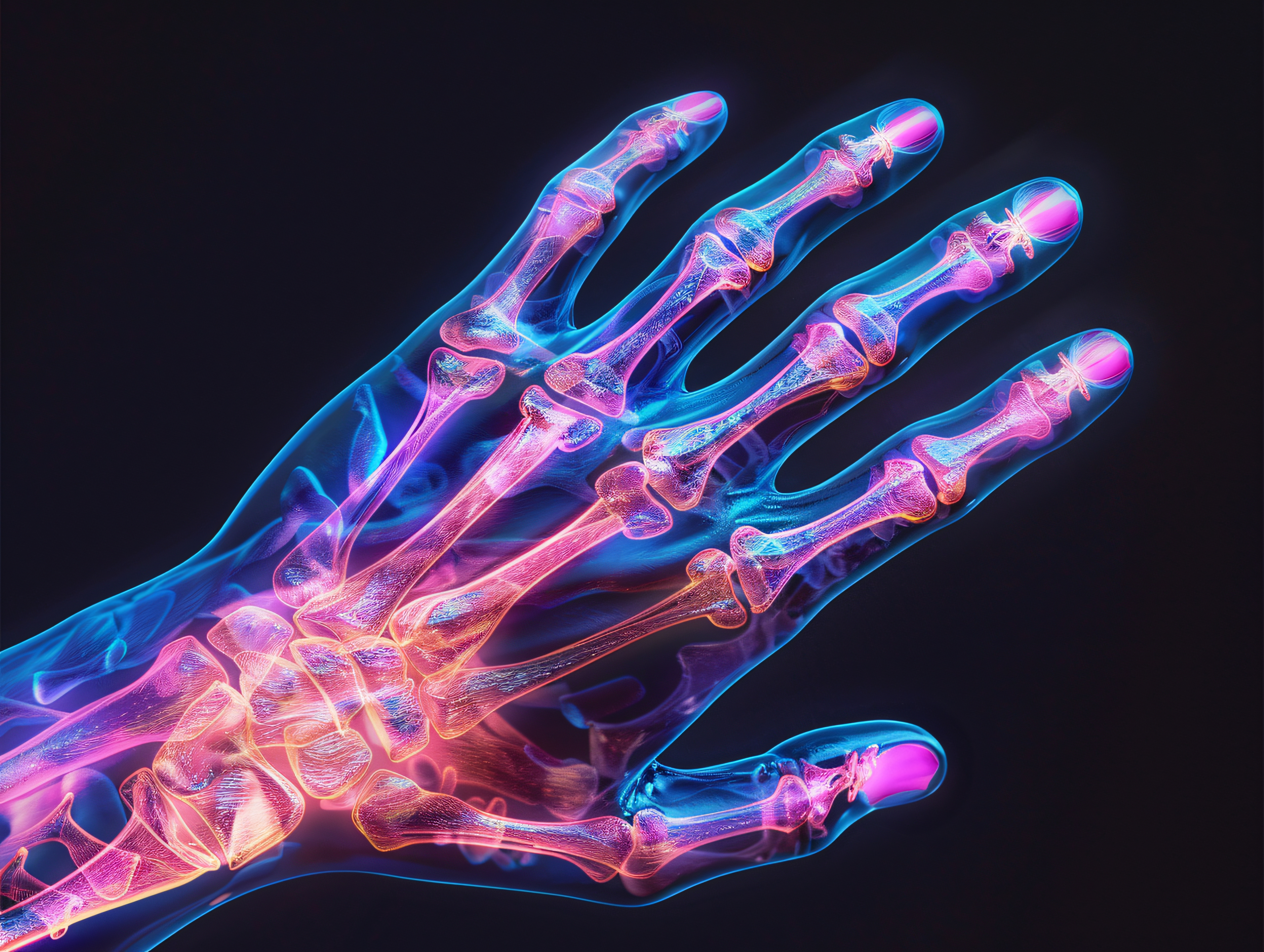
The 360-degree method - How can the cooperation of multiple specialists affect the effectiveness of treatment?
360 degree method for children with MPD
Cerebral palsy (MPD) is a complex group of motor and postural disorders that result from brain damage occurring prenatally, perinatally or in early childhood. Each case of MPD is unique, and symptoms can vary from person to person. It is a form of disability whose effects are felt by the patient for life. That is why it is so important that the care of people with MPD is individually tailored and includes a wide range of activities that promote both motor development and adaptability in different areas of life. For this to be possible, the cooperation of many specialists is necessary.
The 360-degree method in medicine is a holistic approach that emphasizes the comprehensive health care of the patient through close cooperation between different specialists. This allows all aspects of the treated person's health and well-being to be taken into account, resulting in more effective and individualized therapy. This method is primarily used in the treatment of diseases that require an interdisciplinary approach, such as cerebral palsy (MPD), where each case is unique and requires an individual treatment plan. The comprehensive treatment plan we offer takes into account somatic, intellectual and emotional aspects, thus increasing the effectiveness of the measures.
What is the 360-degree method?
The 360-degree method is based on the integration of the knowledge and skills of specialists from different fields of medicine, which allows for the comprehensive diagnosis and treatment of the Patient. In practice, this means that Patients are evaluated and treated not just by one doctor, but by a team of experts, including neurologists, orthopedists, physiotherapists, neurologists, psychologists, as well as movement analysis and orthotic specialists.
Each member of the team, using his or her knowledge and experience, contributes to a consistent and effective treatment plan that is constantly monitored and adjusted according to the Patient's progress and changing needs. As part of the 360-degree method, the Patient and his family also receive psychological and educational support, which are key to achieving the best possible therapeutic results.
The multidimensional approach not only increases the effectiveness of treatment, but also enables patients to achieve maximum functionality and improve their quality of life, despite their disease. Collaboration and constant communication between specialists from different disciplines is the foundation of this method, ensuring comprehensive care and tailoring interventions to each patient's individual needs.
Benefits for Patients
Our practice shows that the 360-degree method brings many benefits to patients. Through planned, multi-directional and long-distance treatment, as well as coordination and cooperation between specialists, we can ensure better outcomes. This is especially important in cases of complex or chronic conditions, where pediatric orthopedics may require more extensive support. Our goal is to help the child reach developmental milestones, minimize discomfort and/or improve overall functioning.
In addition, patients feel that they are surrounded by support and that we provide the best care, allowing us to detect many conditions at their early stages. This makes it possible to avoid many surgical interventions. When they do prove necessary, however, you can rest assured that at Paley European Institute every procedure will be carefully planned and carried out in a timely manner by experienced surgeons. Patients can also count on top-quality pre- and post-operative care . If necessary, we provide individually designed and manufactured orthotic supplies in the form of: orthoses, corsets, shoes, positioning mattresses, as well as serial equipment, i.e. walkers, tripods and verticalizers. We also provide rehabilitation, which is an integral part of patient care at Paley European Institute.
Summary
The 360-degree method in medicine is a pioneering approach that aims not only to treat a patient's symptoms, but also to understand and manage the patient's entire health experience. The multi-person team of specialists at the Paley European Institute offers care of the highest quality, increasing the effectiveness of treatment and giving Patients a sense of support. This is why the 360-degree method is considered innovative in the context of treating MPD and other complex medical conditions. It is not limited to medical aspects only, but also includes psychological, social and educational support, which are essential for the holistic development and well-being of Patients. Want to know more details? Contact us today!
See other entries
How to Properly Care for a Stump After Amputation? A Practical Guide
Hollow Foot – Symptoms, Causes, and Treatment Options