Strengthening exercises for a healthy spine
What are the causes of back pain?
Spinal pain is a complex and multifaceted problem that can result from a variety of causes. Below are some of the most common factors that can lead to discomfort and pain in the spine.
- Improper posture: prolonged adoption of incorrect posture, especially when sitting at a desk or using electronic devices, can lead to excessive strain on various parts of the spine. Such a situation promotes the development of compensatory muscle tension in the spine, especially in the cervical and lumbar regions.
- Overweight and obesity: extra pounds increase the load on the spine, which can contribute to pain and degeneration of intervertebral discs and joints. Weight reduction can significantly relieve stress on the spine and reduce the risk of pain.
- Lack of physical activity: a sedentary lifestyle and lack of regular exercise can weaken muscles. Weak muscles are unable to effectively support the spine, increasing the risk of compensation, injury and pain.
- Degenerative diseases: diseases such as joint degeneration (arthrosis) and discopathy (degeneration of intervertebral discs) are common causes of spinal pain. Degeneration of cartilage tissue and spinal discs leads to increased friction between vertebrae, which can cause pain and reduced mobility.
- Accidents and injuries: injuries resulting from accidents such as falls or collisions, as well as sports injuries, can cause serious spinal problems, including disc displacement, vertebral fractures or ligament damage.
- Stress and emotional tension: an often overlooked contributor to back pain is stress. Mental tension can lead to unconscious muscle tightening, which over time can cause back pain.
Regularly performing spinal strengthening exercises and spinal stretching exercises are key to the prevention of back pain. These activities not only strengthen the muscles that support the spine, but also improve flexibility and mobility, which can significantly reduce the risk of its occurrence. It is important that each set of exercises is tailored to the individual's needs and condition, preferably after consultation with a physiotherapist or other rehabilitation specialist.
Exercises for back pain
To prevent and relieve back pain, there are many types of exercises that can be done regularly at home. Here are some examples of exercises for a sore back.
Strengthening exercises
- Bridge: lying on your back, bend your knees, place your feet flat on the floor. Slowly lift your hips, forming a straight line from your knees to your shoulders. This exercise strengthens the gluteal muscles and extensor muscles of the spine.
- Plank (plank): lying forward, support your body on your forearms and toes, keeping your body in a straight line from head to heels. Plank strengthens the abdominal muscles, which are key to supporting the spine.
Stretching exercises
- Head down dog: start on all fours. Make sure your hands are placed directly under your shoulders and your knees are under your hips. Spread your hands slightly wider than shoulder-width apart, fingers spread and evenly spaced for stability. Inhale, and on the exhale lift your hips up and back, forming an inverted "V" shape from your body. Straighten your legs as best you can.
- Trunk twist: sitting on the floor, bend one leg at the knee and put it over the other. Resting your arm behind you, use your other hand to gently press down on the bent leg, performing a torso twist. This exercise improves flexibility in spinal rotation and relieves pain.
Summary
Exercises for back pain are the key to keeping the spine healthy and functional. Keep in mind, however, that they vary depending on the segment that is affected. There are different exercises for the sacro-lumbar spine, and others for the cervical or thoracic segments. Understanding which parts of the spine require special attention allows you to apply exercises more effectively and safely. That's why it's worth getting professional help. Physiotherapists at the Paley European Institute can help develop an individualized exercise plan tailored to each person's specific needs. With their knowledge and experience, it is possible not only to alleviate pain, but also to significantly improve the functionality and flexibility of the spine.
See other entries
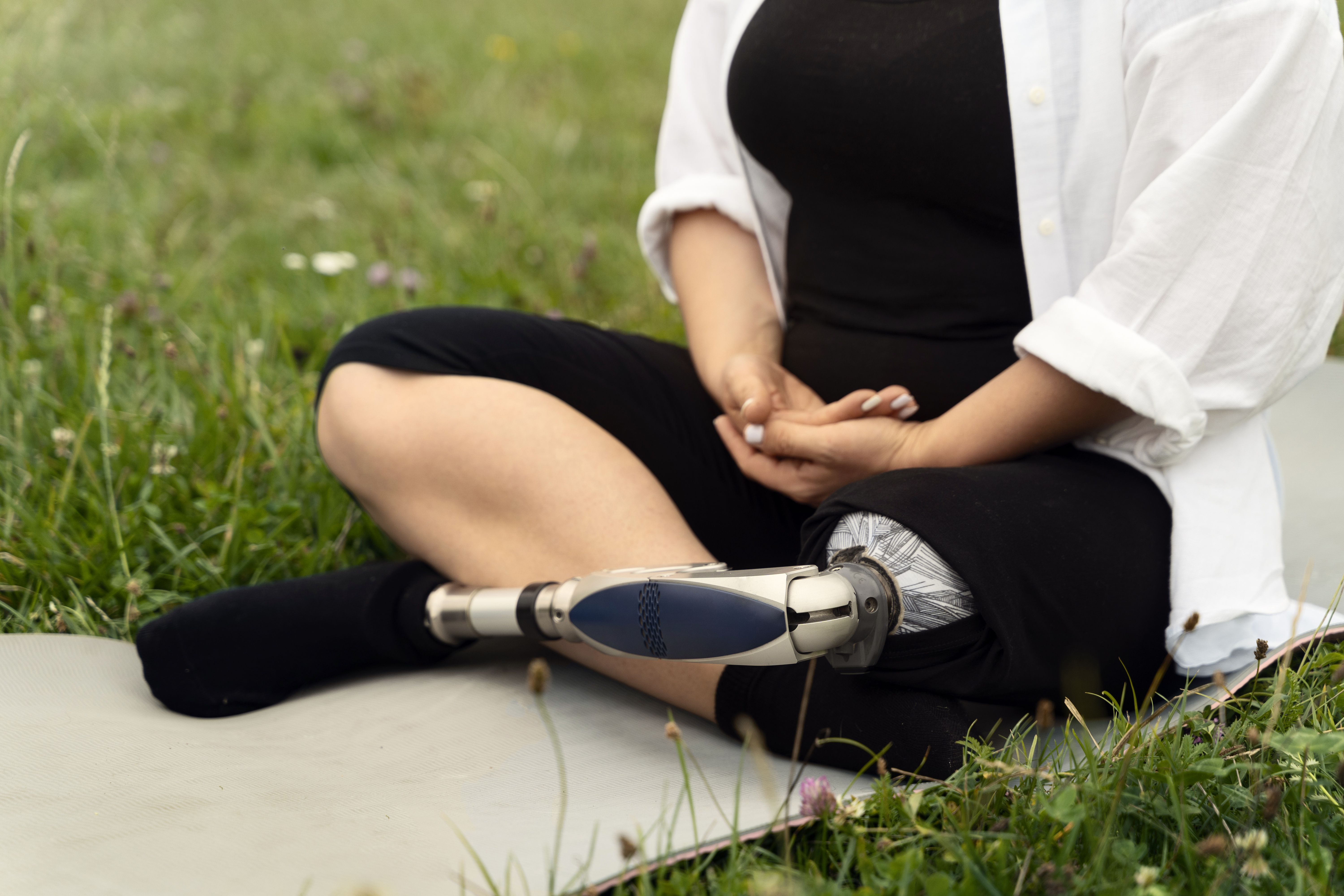
How to Properly Care for a Stump After Amputation? A Practical Guide

Hollow Foot – Symptoms, Causes, and Treatment Options